Blog by Shuaichu Pan, Creative Translation Ambassador at the Queen’s Translation Exchange
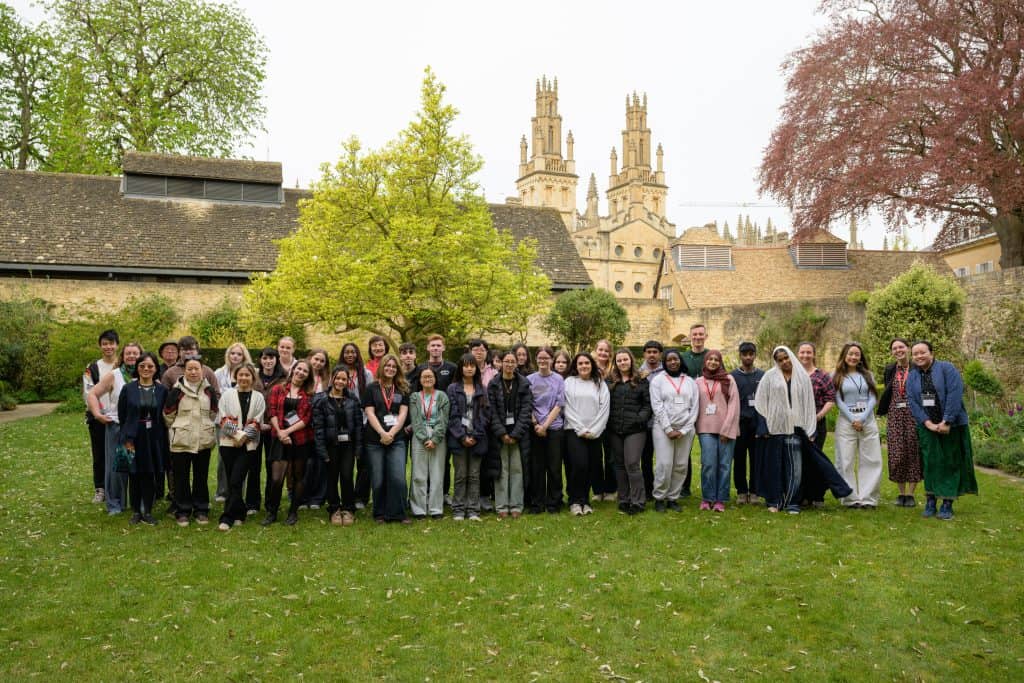
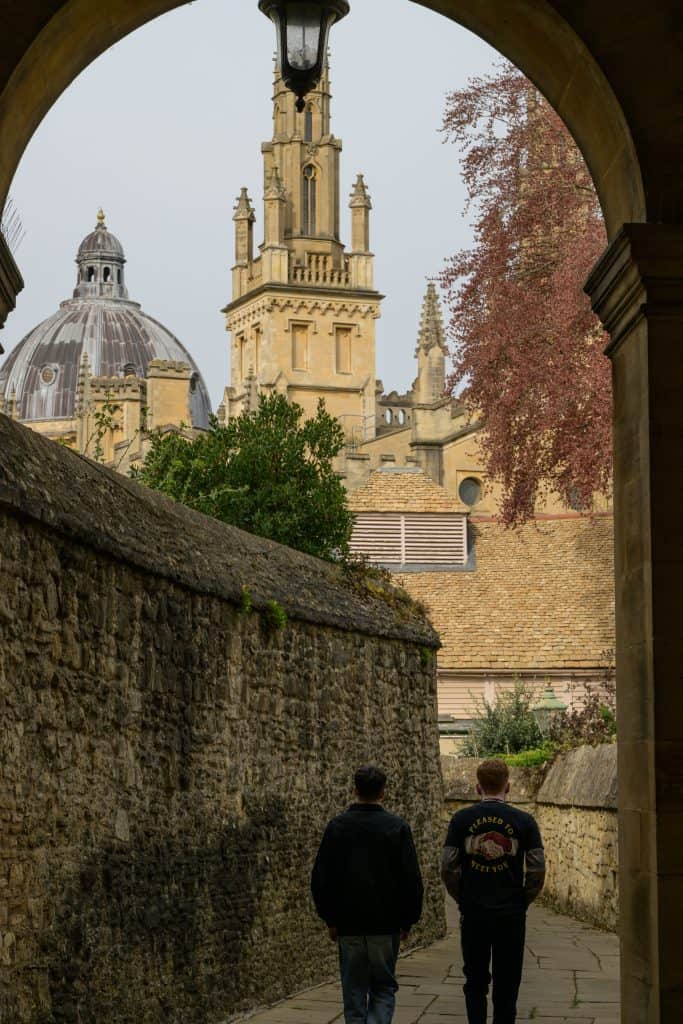
In April 2026, the Queen’s Translation Exchange (QTE) held a Mandarin language residential, welcoming around 30 Year 11 students from Leeds, Newcastle, and Oxford for three days of intensive language classes. Generously supported by the Swire Chinese Language Foundation and hosted by The Queen’s College, the residential aimed to equip the students with key language skills to excel in their upcoming GCSE Chinese exams. Beyond building their confidence in reading, writing, listening and speaking Chinese, the residential also provided an invaluable opportunity for them to immerse in Chinese culture, meet fellow language learners from across the country, and explore life at Queen’s.
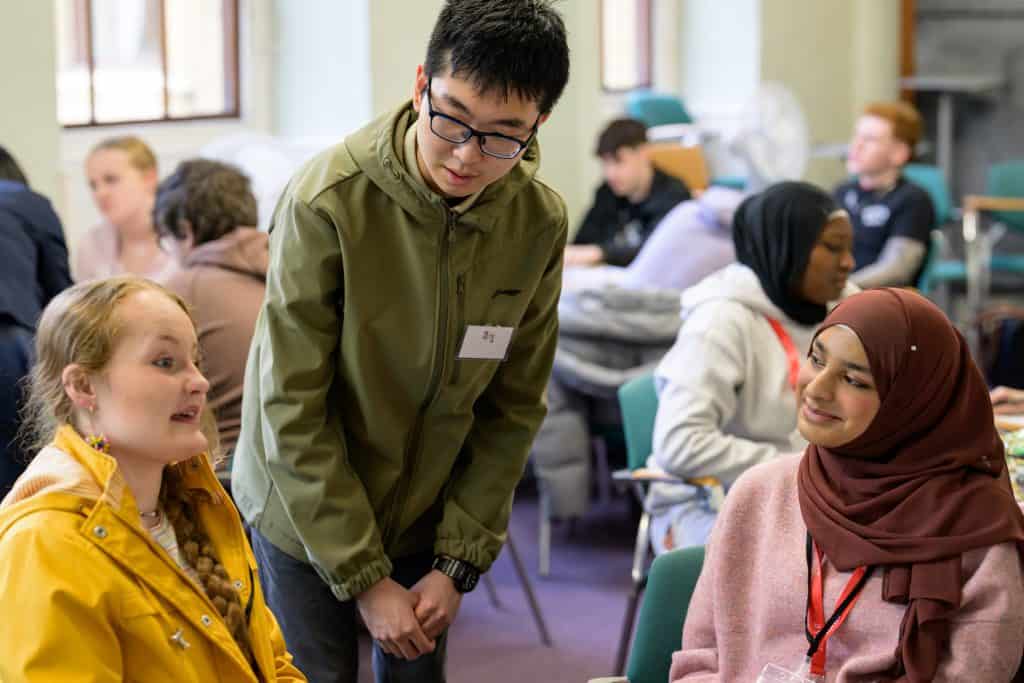
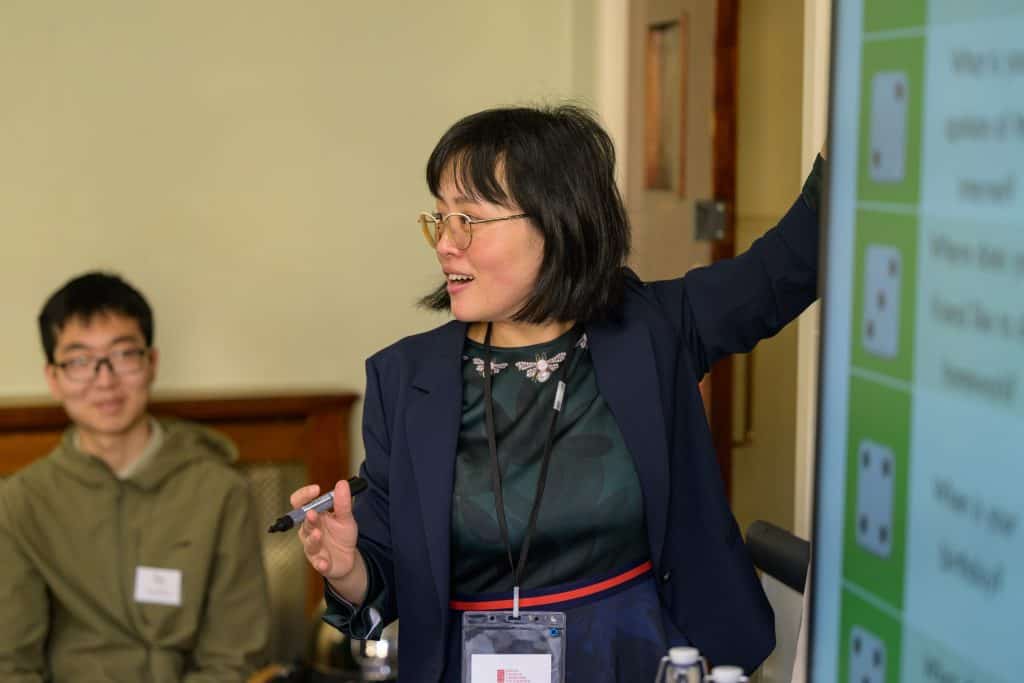
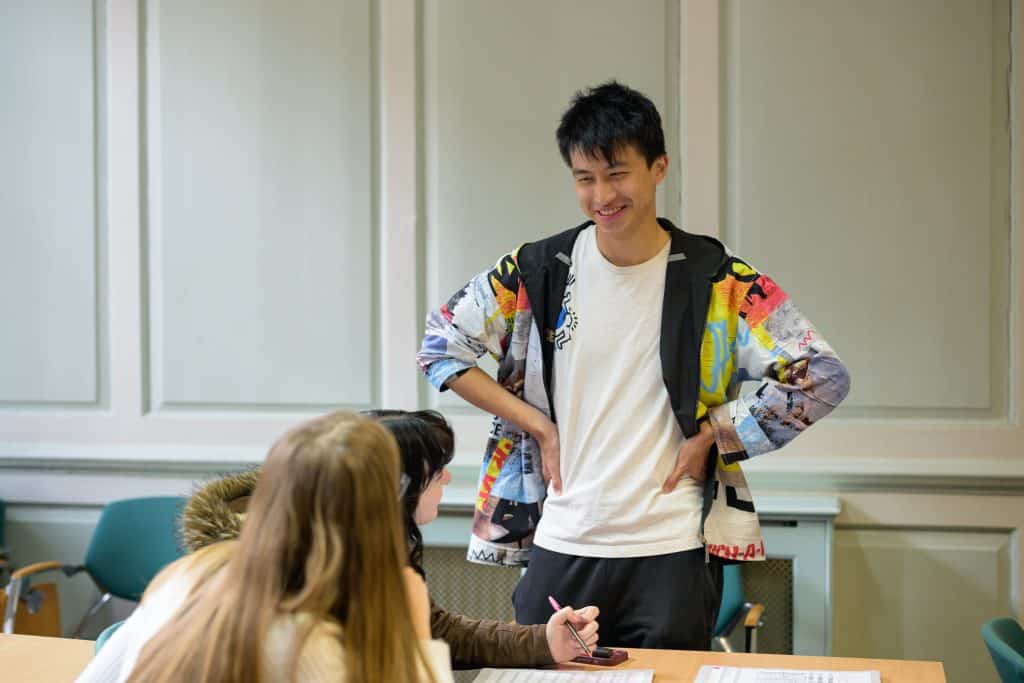
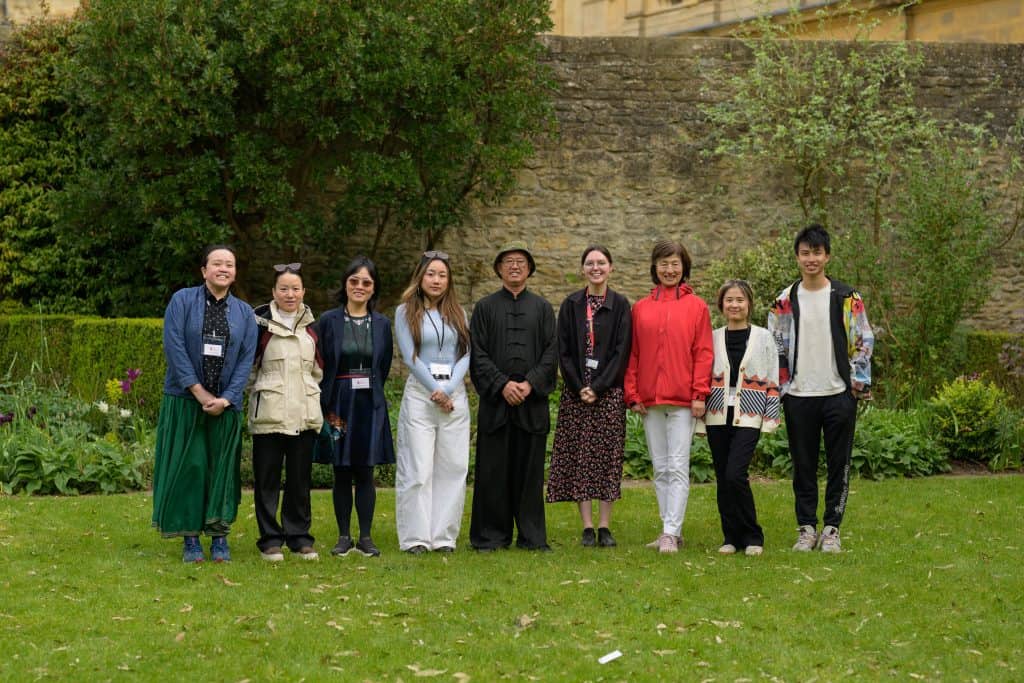
Yiming and I, two of the Creative Translation Ambassadors, were recruited to work alongside the QTE team and a group of experienced teachers to support the running of the residential. Our roles ranged from helping with the delivery of Chinese lessons and sharing our top tips on how to study Chinese, to leading a guided tour of Queen’s and participating in social activities with the students. What I enjoyed the most was talking to them during their free time and meals, where we chatted about a range of topics, such as our studies, interests, and aspirations, but also the richness of Chinese language, culture, and heritage.
A highlight of the residential was the visit to the Bodleian Library, where we had the opportunity to look closely at some of the ancient Chinese books, paintings, and other treasures stored in the Bodleian’s China Section and hear about the story of “upside down books”. As no one at the university could read Chinese when the first Chinese collection was endowed to the Library in the early 17th century, they were mistakenly catalogued so that the top of the pages were marked as the bottom, and vice versa. While the China section of the Library has expanded markedly over the last 400 years, the story of “upside down books” still reminds us today that one can only understand a culture by learning its language.
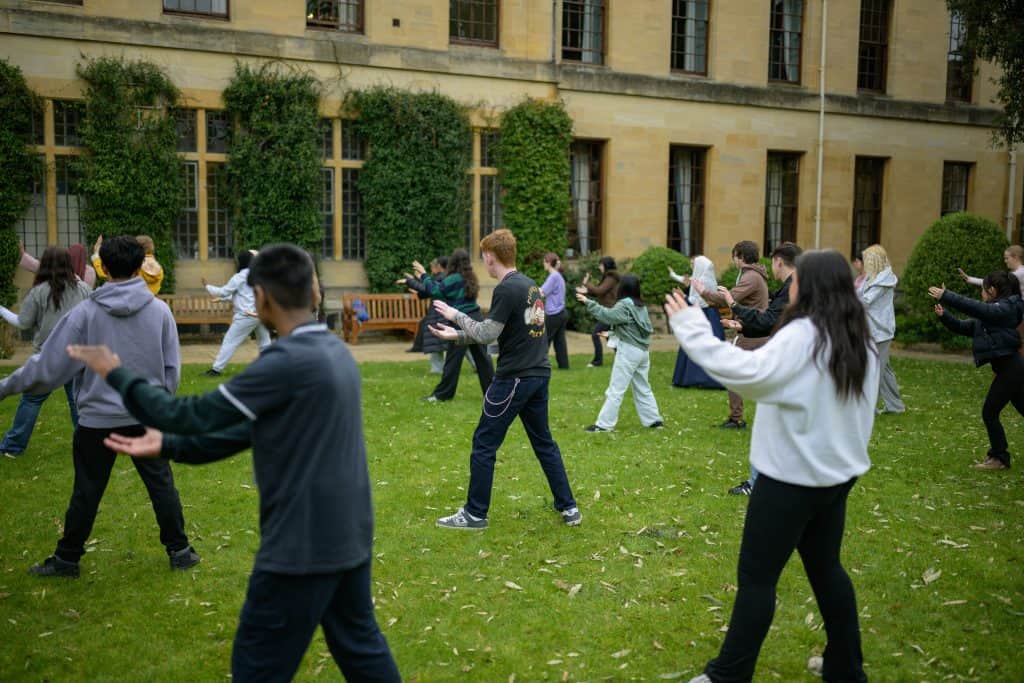
Other highlights of the residential included visiting the rooftop terrace of the Weston Library (which is usually reserved for special guests only) and practicing 太极 (tai ji) – a type of traditional Chinese physical exercise – in the Queen’s gardens. Students also watched an episode of the well-known Chinese TV drama series 少年派 (shao nian pai), and even practised singing an authentic Chinese song 暖暖 (nuan nuan). These enriching experiences provided a valuable opportunity for them to apply what they have learned in the classroom, and it was great to observe that they were fully engaged in the activities and thoroughly enjoyed each other’s company.
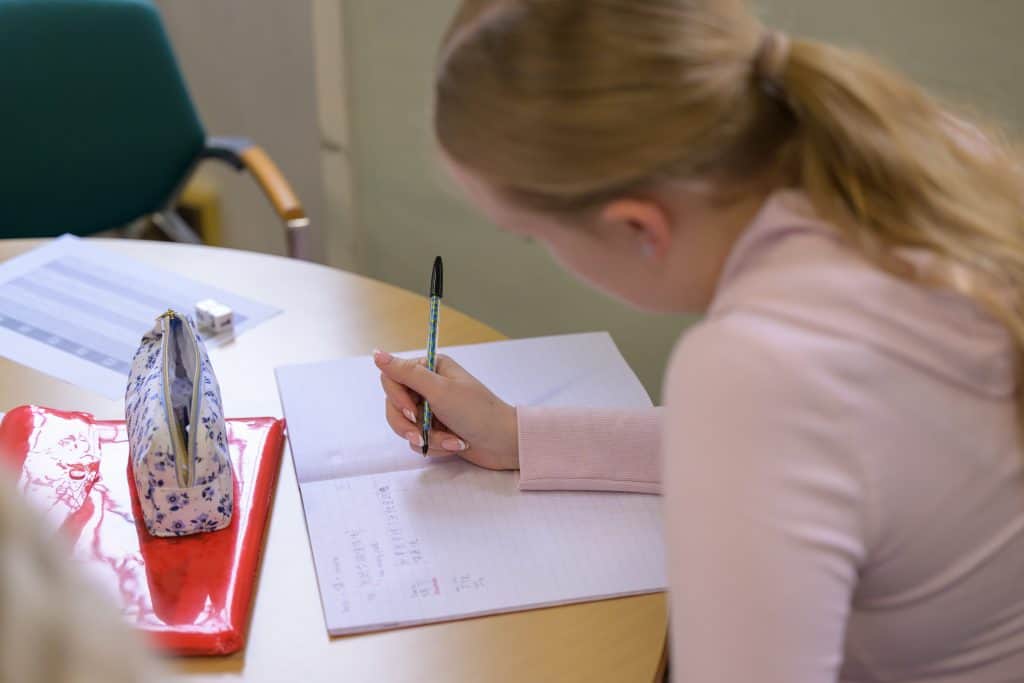
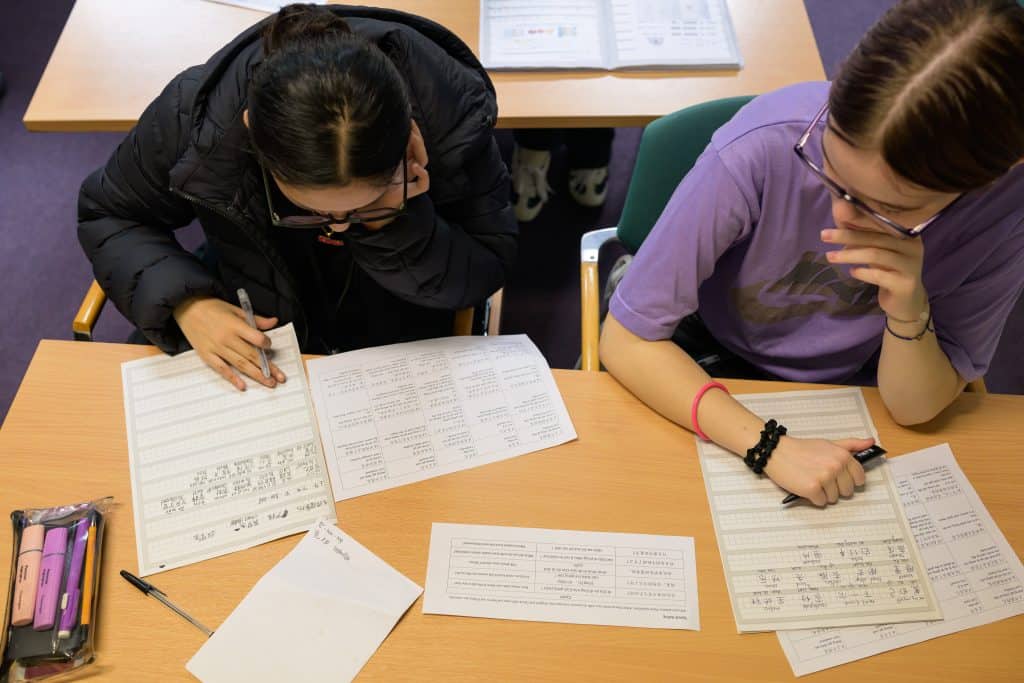
On the academic side, the residential was packed with revision classes organised by lead teachers Dr Liu and Ms Meng-Birkett. I had the opportunity to support a few of these sessions, for example, by helping the students practise for the speaking exam, and commenting on short paragraphs of Chinese sentences they wrote in response to a prompt. It was also a fantastic opportunity for me to observe lesson delivery and develop classroom management and teaching skills. While many seemed a bit shy at first, it was evident by the final lesson that the students had really gained the confidence to speak Chinese. It was equally rewarding for the teachers and me to observe how much their Chinese had improved over the three days.
As the residential concluded, I took a moment to reflect on the value of having programmes like this. The best way to understand a culture is by learning its language, and this is precisely what the Swire Chinese Language Foundation has been doing for years – bringing Chinese language learning into classrooms. The important work of the Foundation goes beyond helping UK students learn a new language. It also facilitates the development of cultural intelligence, which is not only about respecting different cultures, but also includes the willingness and commitment to engage with people from diverse perspectives in order to build a better world together.
It is not an exaggeration to say that Oxford opens the door to opportunities and I sincerely hope that this enriching experience has inspired the students to keep on studying Chinese and consider applying to university in a few years’ time.
Photography by Edmund Block