Welcome to the student section of the College website. Here you’ll find forms, resources, and links to help you during your time at Queen’s. Please write to news@queens.ox.ac.uk if you can’t find what you’re looking for.

Academic opportunities
Accessibility, health, and welfare

Awards and prizes
Book an event in College
Book a music practice room

College Accommodation and Vacation residence
Common Rooms (JCR/MCR)

Financial support
Fire safety and security

Fitness to study and academic policies
Freshers

IT, self-service, and University card
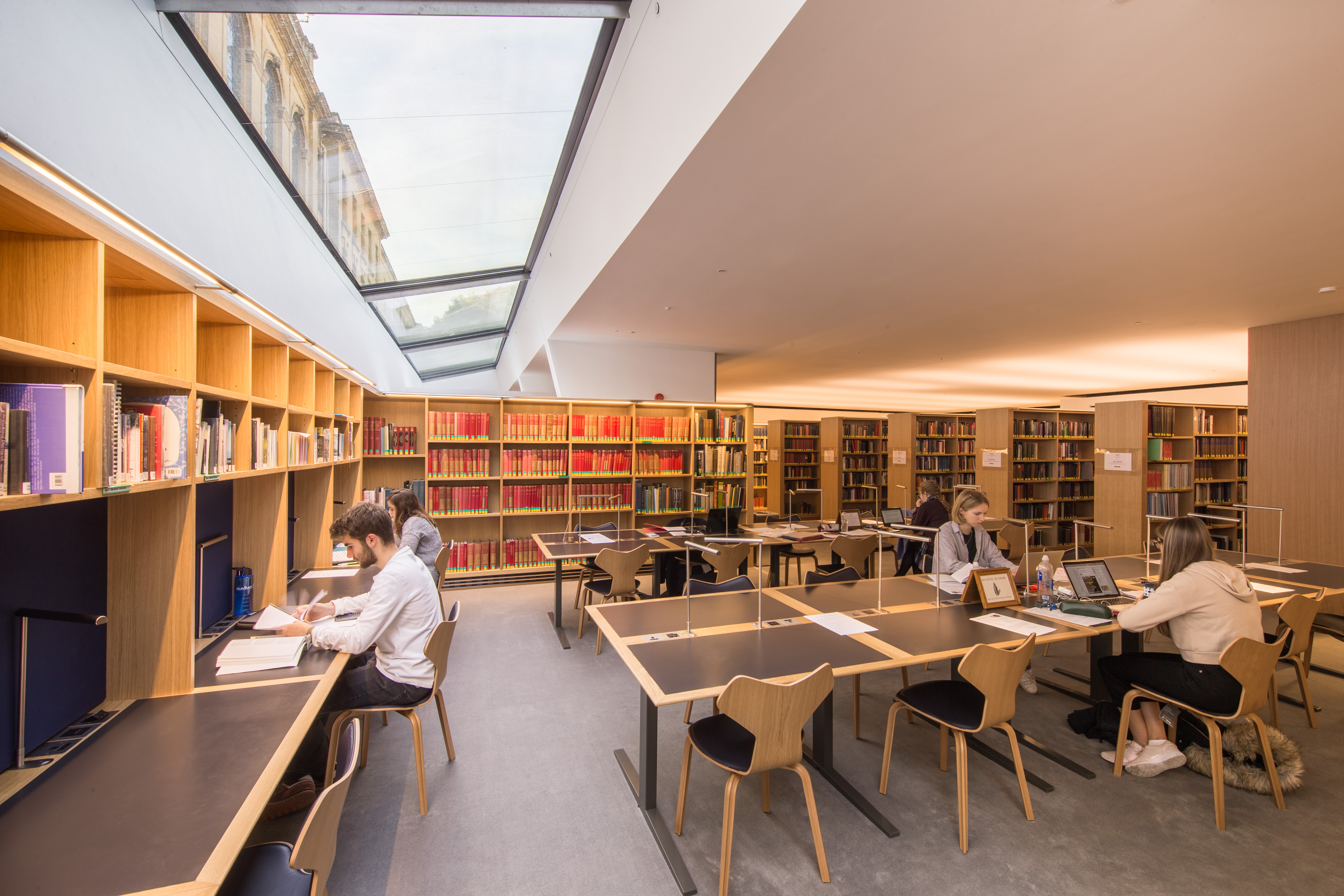
Library

Mailing lists
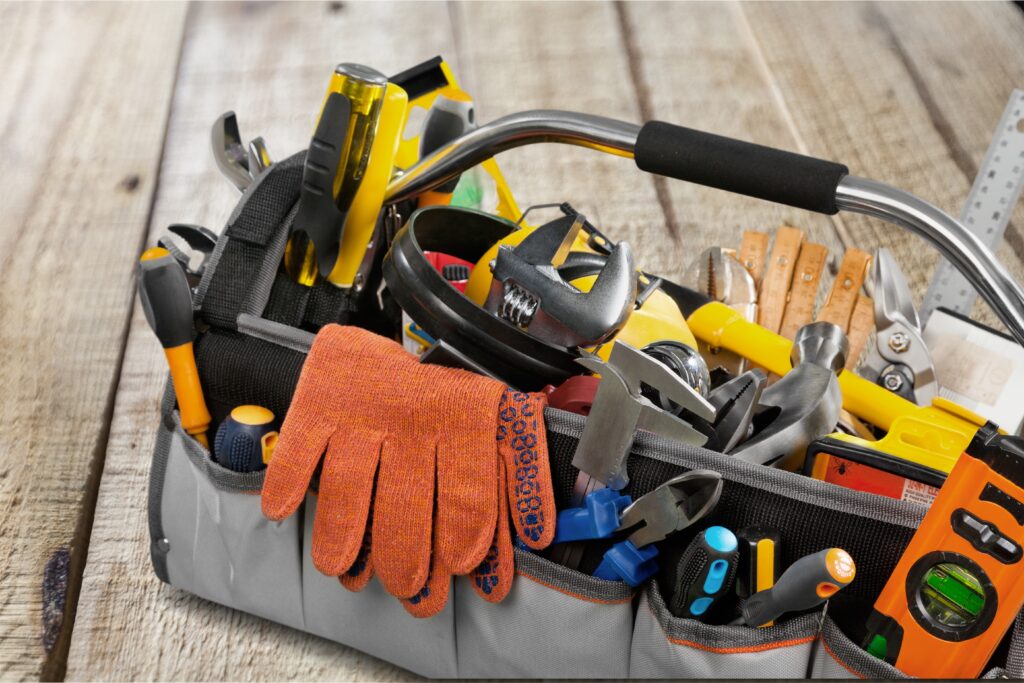
Maintenance and services
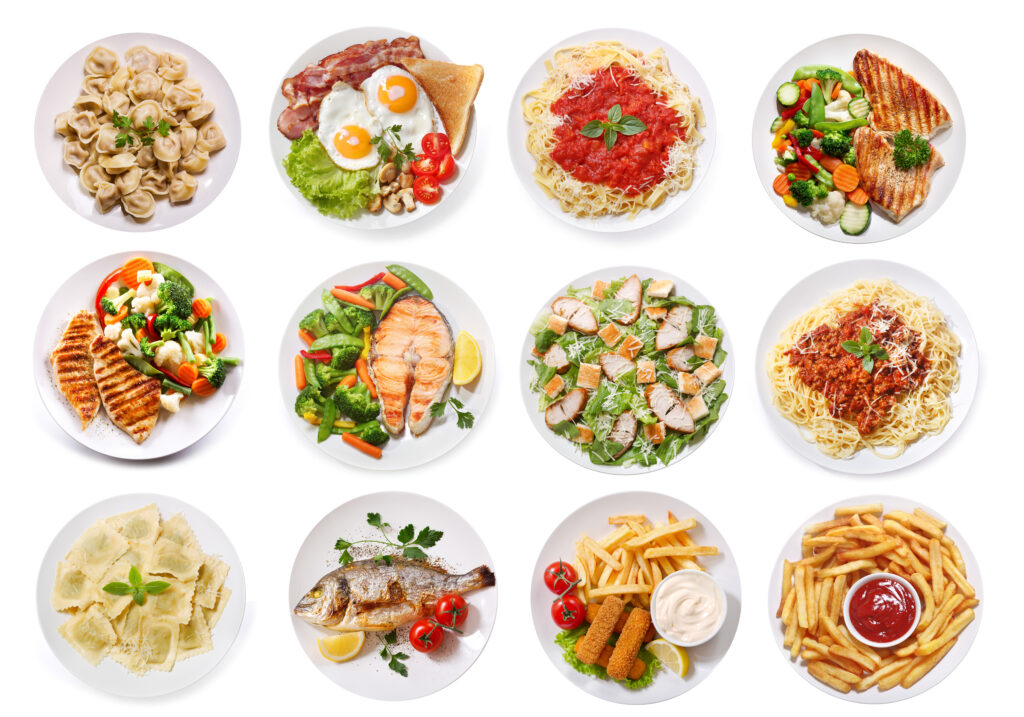
Meals and payments system

Non-Academic Rules and Procedures

Sport

Term dates
Queen’s now
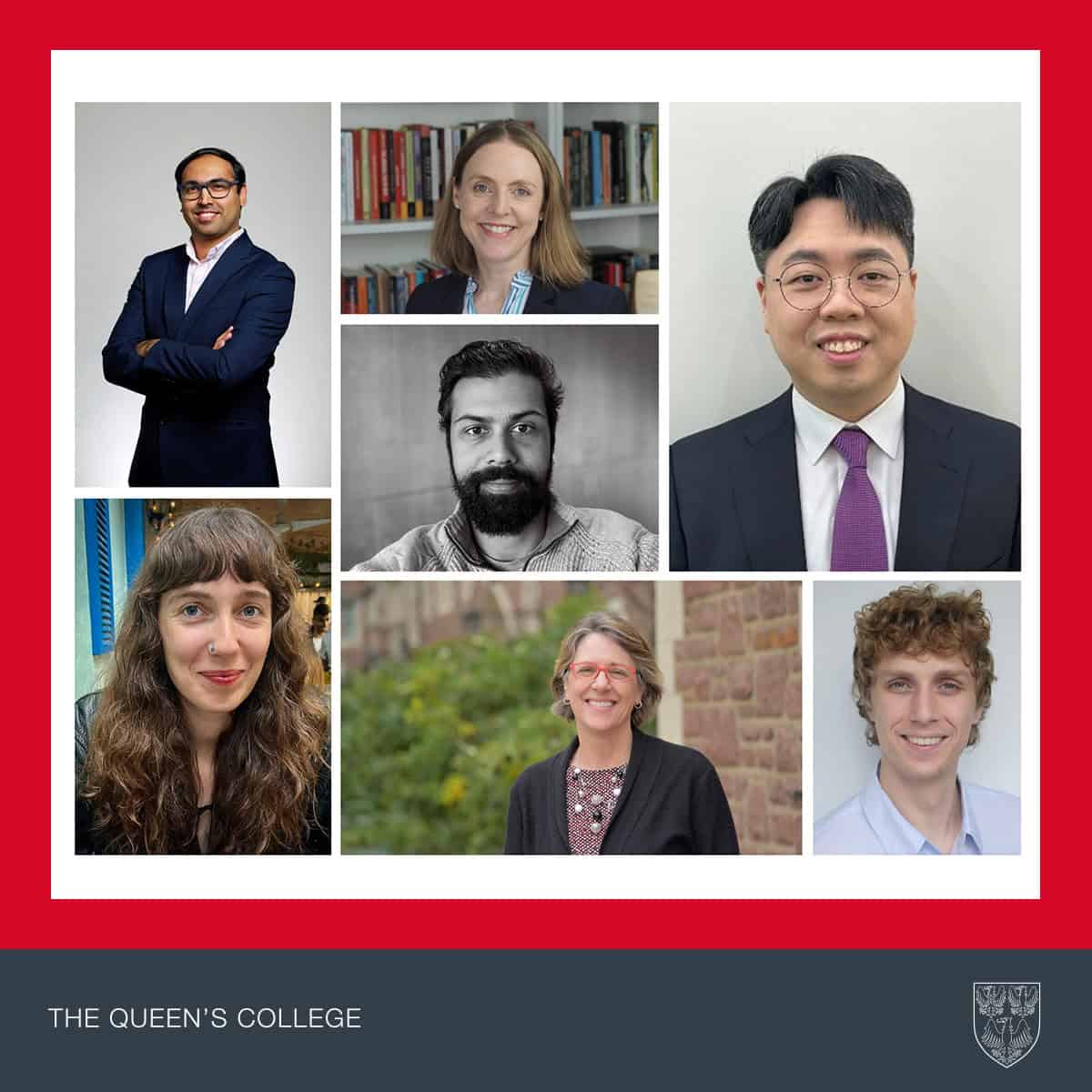
Welcome! New academics join Queen’s
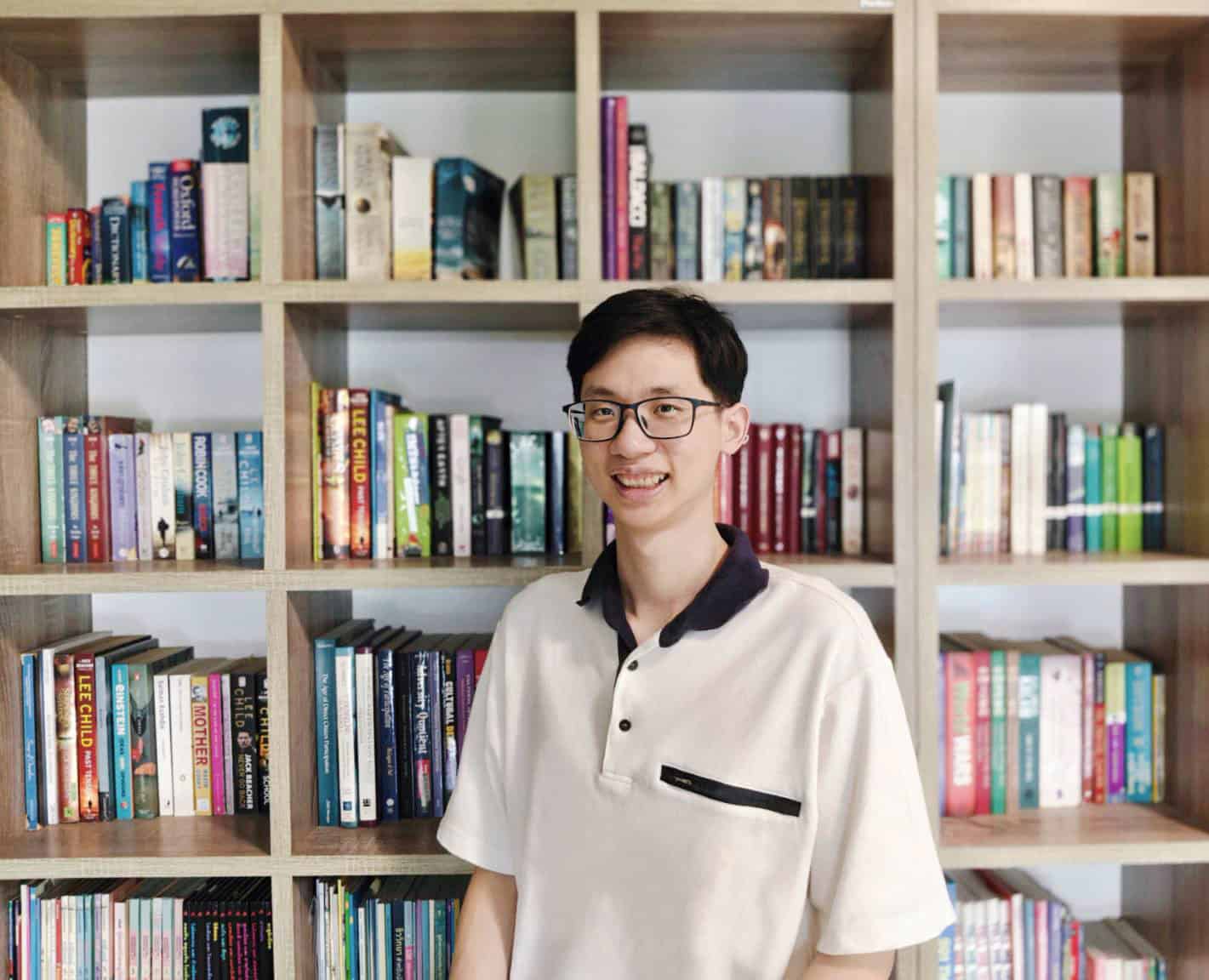
Mapping the mind

New Master’s course puts human creativity at the heart of translation

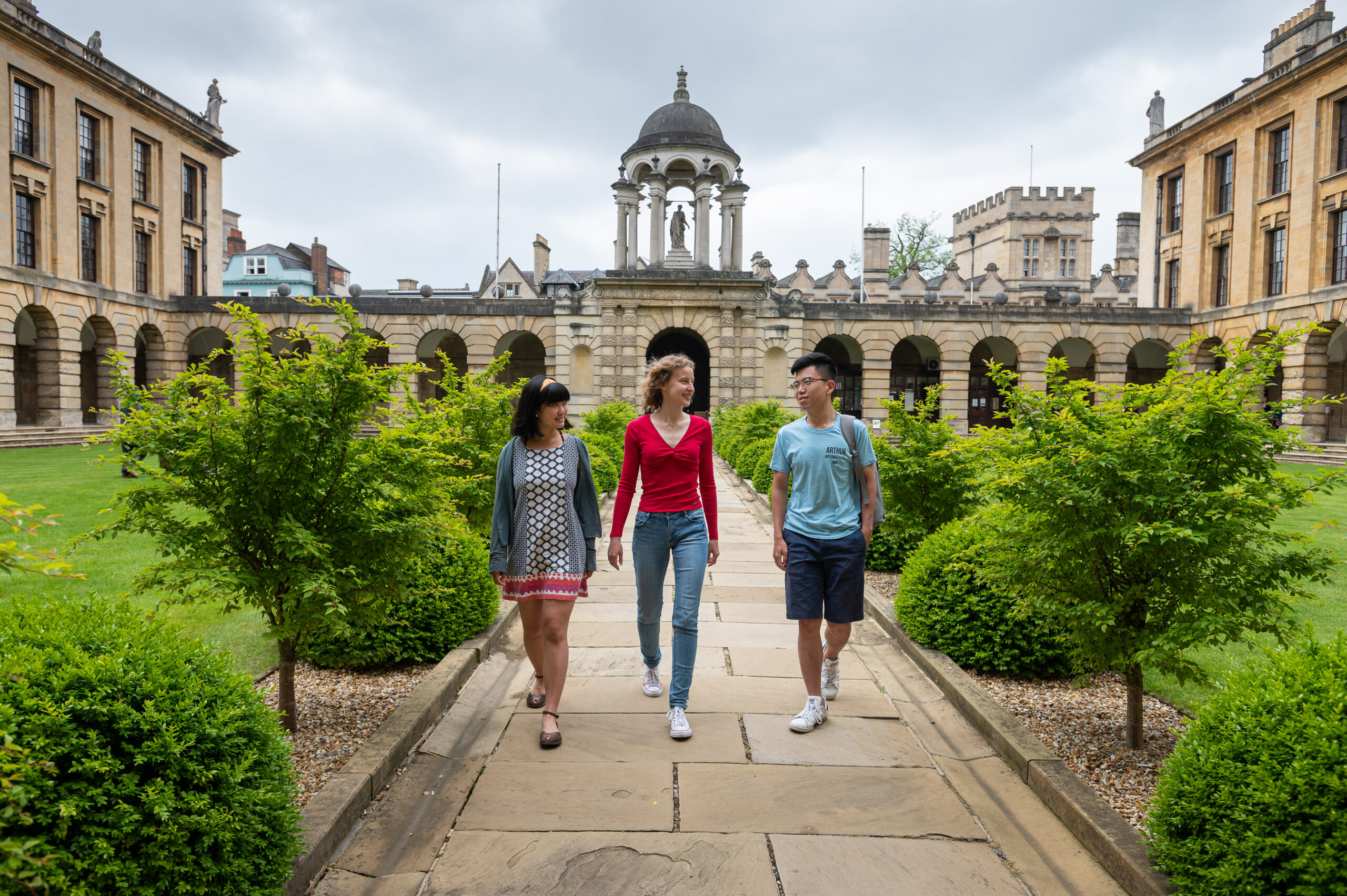
A place to feel at home

A place you can always come back to
Queen’s launches new Provox podcast
New student-led video tour of College life
What’s for lunch?
- A delicious selection of soup, sandwiches,
pasta with sauce,
jacket potatoes with a variety of fillings,
and locally sourced seasonal vegetables
**
Chicken Shawarma, Turmeric Rice,
Sweetcorn & Pepper Salad
**
Mango & Passionfruit Pavlova
———————-
Pumpkin Gnocchi, Sage Butter, Toasted Hazelnuts


🏅 What is it about neutrinos that keeps attracting Nobel Prizes?
The 2026 Nobel Prize for Physics has been awarded to Francis Halzen for his pioneering work on the IceCube Neutrino Observatory in Antarctica and the discovery of high-energy neutrinos from space.
This marks the fifth Nobel Prize recognising research into these elusive particles.
Queen’s Fellow and neutrino physicist Dr Kirsty Duffy joins the 'Physics World Weekly' podcast to explore what makes neutrinos so fascinating.
🎧 Listen to the conversation: ow.ly/u3f150ZWM77
📷 Credit: Ilya Bodo, IceCube/NSF
The IceCube Lab at the Amundsen-Scott South Pole Station in Antarctica.
#NobelPrize #Physics #OxfordUniversity #NobelPrize2026 #NeutrinoPhysics #IceCubeObservatory #HighEnergyNeutrinos #ParticlePhysics #PhysicsResearch #PhysicsPodcast #ScienceDiscovery #PhysicsatOxford ...
🧠 What if we could map the brain like Google Maps and trace not just individual landmarks, but the connections between them?
Our latest blogpost features DPhil student Sapolnach, whose research explores the rapidly developing field of connectomics: mapping the networks that shape our thoughts and behaviour.
We spoke to him about the big questions driving his research, as well as his work to open up neuroscience to young people around the world and give students the chance to work with real brain data.
🔗 Read Mapping the Mind: ow.ly/9ELf50ZUS0o
#BrainMapping #connectomics #neuroscienceresearch #CognitiveScience #BrainNetworks #BrainData #ScientificResearch #studyatoxford ...
🎓A very warm welcome to the newest members of Queen’s academic community!
This year, we’re delighted to welcome academics whose research spans everything from plant genetics, quantum materials and the Higgs boson, to philosophy, American politics and history, and the neuroscience of decision-making.
🔗 Meet our new Fellows and discover more about their work: ow.ly/wCBV50ZTohp
#OxfordUniversity #AcademicLife #Research #AcademicCommunity #ResearchExcellence #QuantumMaterials #HiggsBoson #PhilosophyResearch #AmericanPolitics #NeuroscienceResearch #NewFellows #PlantGenetics ...
𓁈 How did people in Ancient Egypt choose to present themselves and how did they hope to be remembered?
In our latest research blog, Honorary Fellow Prof Elizabeth Frood explores identity and legacy through the extraordinary statue of Wenennefer, a high dignitary under Ramesses II. She also reflects on her recent Visiting Fellowship in Paris, a significant milestone both professionally and personally, and on the power of objects to bring ancient stories to life.
🔗 Read Staging the self: ow.ly/p5Q150ZSJR1
📷 Jean-François Dars and Anne Papillault
#egyptology #ancientegypt #research #oxford ...