Viewing archives for Medicine & Biomedical Sciences

About me

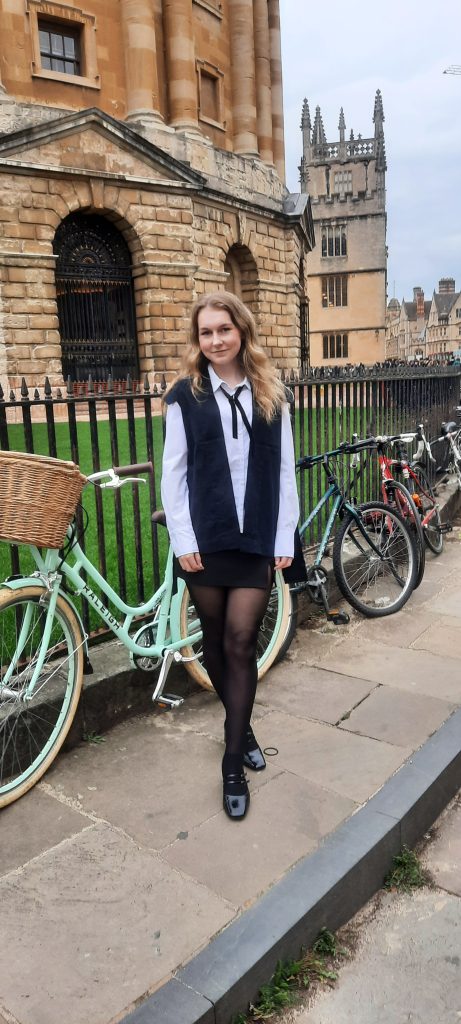
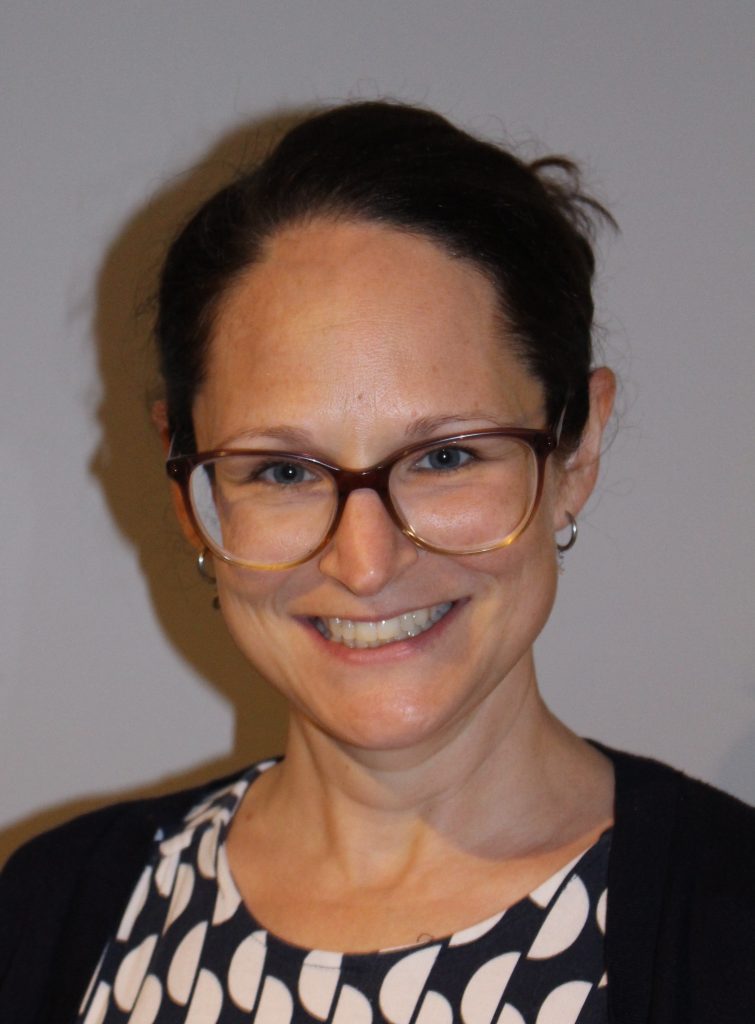
Hi, I’m Courtney, I am a first-year Medic here at Queen’s and I have come from a state school in small town in Cumbria called Penrith. I chose to study Medicine because I am fascinated by the inner workings of the human body, and love interacting with new people, so this degree is the perfect combination of these two interests!

College experience

What I really love about Queen’s is the community here, everyone wants you to succeed, and people are always happy to chat about quite literally anything. Even the students in older years are always willing to give advice which surprised me initially as I expected there to be a level of separation between year groups, which there most certainly is not!

Oxford life

Through the week, I generally have between 3-5 lectures a day, with practicals around once a week. Most of my lectures are in the morning so I tend to spend my afternoons in the library consolidating any new learning, or writing essays in preparation for tutorials, which happen 1-2 times a week.

To keep active, I have been getting involved with the uni’s cheerleading squad and I also enjoy going for walks around the beautiful parks and meadows in between study sessions, as it’s such a good way to unwind. I have dinner in hall most nights as the food is amazing, and so well priced! In the evenings I often end up in the JCR (our common room) playing card games with friends.

Advice for applicants

If you are passionate about your subject, then definitely do apply! They are not looking for perfection, just dedication, and someone will get a place here, why not you?

About me

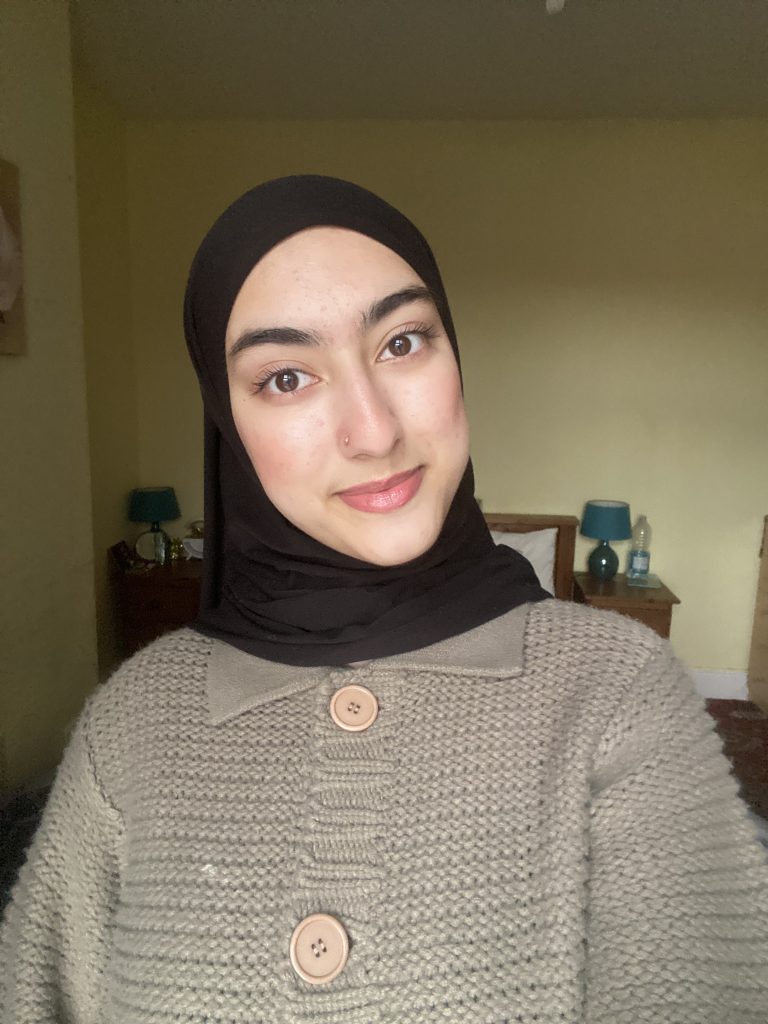
Hi!! I’m Mehreen, a first-year Medic at Queen’s. I chose to study Medicine because the course content really fascinated me and I love the idea of being able to help people and make change simply by trying my best at what I love.

College experience

My favourite place is probably the library or one of the many outdoor spaces that you can just relax in. Lectures usually start at 9am, and last for 2/3 hours. Once a week, we’ll have 3hr-long labs which are a really cool opportunity to see science experiments in action. We have three tutorials a term this week, which can be quite intense but they are actually quite enjoyable if you just see them as an opportunity to engage in academic discussion. I’ve joined netball and ISoc, which hold lots of social events as well as helping me stay active.

Advice for applicants

Have faith in yourself and try your hardest!! It sounds cliché but as long as you know you’ve done as much as you can, the outcome will reflect that. Enjoy yourself and don’t take things too seriously – everything falls into place eventually 🙂

Introduction

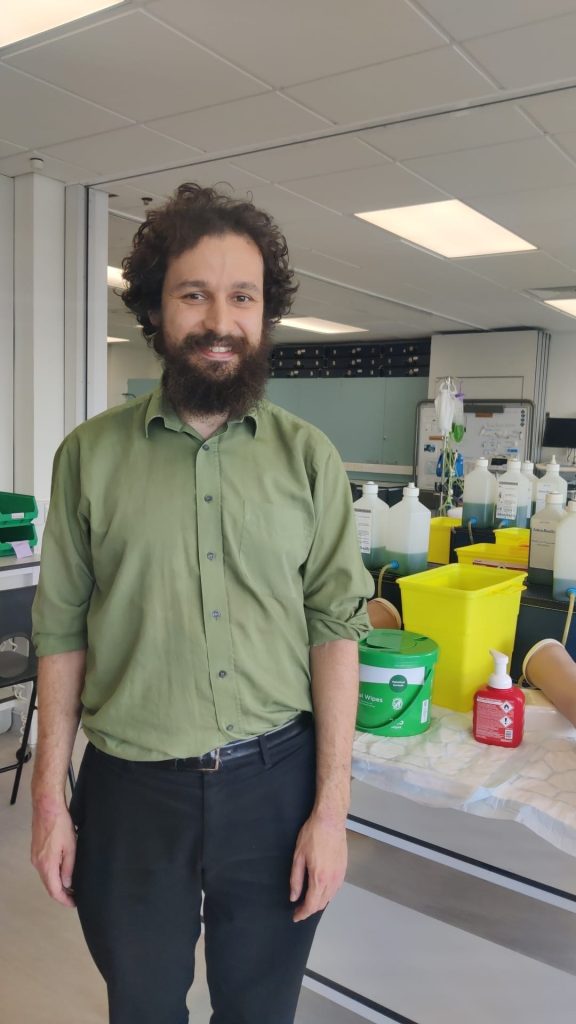
I went to school in South London, before going to Christ’s College to read Natural Sciences, specializing in chemistry for the final two years. I then studied a PhD at the Cambridge Institute for Medical Research, focusing on software development of the programs that other scientists use to solve their protein X-ray crystallography structures. I then moved to Oxford to do graduate entry medicine, before doing an Academic Foundation Programme in Thames Valley. I am now an Academic Clinical Fellow in Emergency Medicine, doing both research and clinical work, and training to become an A&E consultant.

Teaching

I have been teaching at the higher education level for over a decade, in the subjects of chemistry, physiology and medicine. Within Queen’s, I primarily give tutorials to first year medical and biomedical students about molecular biology. I also teach final year students for an FHS specialist option. With regards to my broader teaching, I teach at the clinical medical students across the university in the clinical skills lab (practical skills) and in the sim suite (scenarios that they will encounter as a medical doctor). I also still provide supervisions within the Chemistry Department at the University of Cambridge. 

Research

My main research interest is in taking data collected at emergency departments across the country and elucidating meaning to it, and seeing how we can use that information to change practice. I also analyse data that is collected in the pre-hospital environment as well.

Publications

A list of my publications can be found here

Introduction

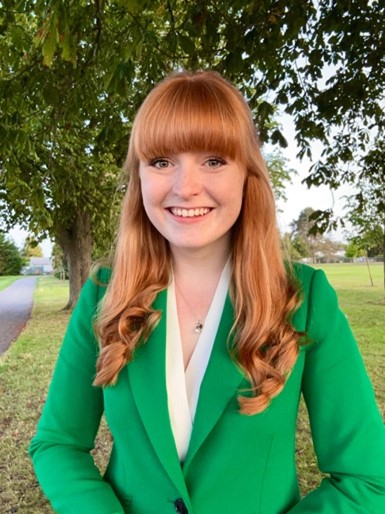
I grew up in the North East of England before moving to Oxford to study medicine at Keble and Green Templeton College. After completing my medical degree, I undertook an Academic Foundation Programme in the Thames Valley Deanery, during which I was awarded a Medical Sciences Division Teaching Excellence Award. I am now an Internal Medicine Trainee at Oxford University Hospitals NHS Foundation Trust, with clinical and academic interests in peri-operative medicine and cardiology. Alongside this, I am a Joan and Richard Doll Fellow at Green Templeton College and an Assistant Clinical Tutor at Queen’s.

Teaching

I teach across all topics of the clinical school curriculum, providing bedside, clinical skills and small-group tutorial teaching. I particularly enjoy supporting students to build confidence in applying their knowledge in clinical settings and encouraging curiosity about academic medicine.

Research

My research has focused on home blood pressure monitoring, virtual emergency department triage tools and intentional weight loss in heart failure, including work on the SLENDER clinical trial at the Oxford Centre for Clinical Magnetic Resonance Research. I am also the Resident Doctor Representative on the British Cardiovascular Society Women in Cardiology Committee, where I support widening participation and early-career doctors interested in academic cardiology.

Teaching

I am the Tutor in Pathology at Queen’s. Henceforth, I provide teaching and supervision for medical students in their pre-clinical clinical years (years 1 to 3). This includes tutorial teaching, supervision, career-advice, and welfare support.

Research

I am a Career Development Fellow at the China Oxford Institute where I lead the laboratory of Pleural Translational Research. My research interest and focus has been to phenotype and study patient derived specimens with the aim to understand pleural pathology and disease. In the Pleural Translational Lab functional genomics, transcriptomics and proteomics methods are applied to elucidate pathogenesis pathways and associate these molecular patterns with clinical outcomes. My focus is to advance and expand precision medicine for pleural disease.

Publications

My publications can be found at: https://www.expmedndm.ox.ac.uk/team/nikolaos-kanellakis

Introduction

I grew up in mainland China, where I obtained a bachelor’s degree in preventive medicine at Shandong University (2015) and an MSc at Peking University (2018). I began my UK journey, first as a training fellow (2019) and later as a DPhil student at the University of Oxford (2023). Currently, I am a post-doctoral researcher and lead large Biobank studies within Professor Daniel Prieto-Alhambra’s group at NDORMS. In 2024, I joined The Queen’s College as an Extraordinary Junior Research Fellow in Clinical Sciences.

Research

My research focus is on population health. In my work, I collaborate extensively with interdisciplinary teams and generate trustworthy evidence for clinical and regulatory decision-making using big data and innovative methods. I also have strong interests in modern pharmacogenomics, which harnesses the power of human genome to optimize drug’ effects (efficacy/ safety) for patients. Through this, I contribute to the understanding, translation and implementation of personalized medication for real people in real life.

Publications

Xie J, Strauss VY, Martinez-Laguna D, et al. Association of Tramadol vs Codeine Prescription Dispensation With Mortality and Other Adverse Clinical Outcomes. JAMA. 2021;326(15)

Xie J, Prats-Uribe A, Feng Q, et al. Clinical and Genetic Risk Factors for Acute Incident Venous Thromboembolism in Ambulatory Patients With COVID-19. JAMA Intern Med. 2022;182(10)

Xie, J, Mothe, B., Alcalde Herraiz, M. et al. Relationship Between HLA Genetic Variations, COVID-19 Vaccine Antibody Response, And Risk Of Breakthrough Outcomes. Nat Communications, 2024

An up-to-date list of publications is available here.

Introduction

I am an academic Nephrologist, Internist and Intensivist with a specialist interest in the intersection of kidney and brain health. I studied Medicine at University College Cork, Ireland. I has a Diploma in Stroke and Cerebrovascular Medicine with the Royal College of Physicians in Ireland RCPI, a Masters in Internal Medicine at the University of Edinburgh, Scotland, UK, an MSc in Stroke Medicine at the Danube University Krems, Austria and an MSc in Evidence-Based Healthcare (Medical Statistics) from the University of Oxford. I completed a DPhil in Clinical Neurosciences at the University of Oxford. The subject of my thesis was the impact of chronic kidney disease on stroke risk, mechanisms and outcomes. Following my DPhil, I continued to explore the kidney-brain axis as an Atlantic Fellow at the Global Brain Health Institute at Trinity College Dublin, Ireland and was awarded an NIH StrokeNet Fellowship to gain Stroke/Neurocritical Care trial experience at the Massachusetts General Hospital and to study genetic epidemiology at the Cerebrovascular Genomics Lab in Boston.

Research

Since August 2023, I have been a postdoctoral research fellow at the Wolfson Centre for the Prevention of Stroke and Dementia at the Nuffield Department of Clinical Neurosciences at the University of Oxford. I am funded by the Guarantors of Brain and by the Alzheimer’s Association. I am also working clinically in the Intensive Care Units (ICU) at the John Radcliffe Hospital. In my research, I am using a transcranial doppler (a type of ultrasound) to investigate the impact of dialysis therapy on brain blood flow in critically ill patients in the ICU.  My other areas of active research include the impact of acute kidney injury on the risk of delirium and post-ICU cognitive disorders, the risk and mechanisms of stroke in patients with pre-eclampsia, sex differences in stroke epidemiology, and the global capacity for the management of kidney failure. I am also one of the authors of the recently published 11th edition of the Oxford Handbook of Clinical Medicine.

Publications

A list of my publications can be found here, and here.

Introduction

I went to school at Chelmsford County High School in Essex, before studying Natural Sciences at Cambridge. During this time, I became fascinated with how the immune system makes critical decisions, and I therefore moved to the London Research Institute for my PhD with Dr Caetano Reis e Sousa. After a fantastic four years working out the signals to recognise fungal infections in the spleen, I realised it would be important to understand how this works earlier during infection at the body surfaces. I therefore moved to McMaster University in Hamilton, Ontario to carry out a postdoc with Prof Andrew McPherson. During this time, we could demonstrate some of mechanisms used to contain the diverse consortium of microbes that resides in your large intestine. In 2011, I became an “Ambizione” junior group leader together with Prof Wolf-Dietrich Hardt at the ETH Zurich. I was promoted to Assistant Professor for Food Immunology in 2018, and to a full Professor for Mucosal Immunology in the Department of Health Sciences and Technology in 2022. I was appointed to the Barclay Williams Professorship for Molecular Immunology in 2023 at the Sir William Dunn School of Pathology.

Teaching

I lecture on adaptive immunity for first-year Biomedical Sciences students. Internationally, I am involved in teaching “Research Integrity” for doctoral students and as a “didactic fellow”. My research group is open for the supervision of projects in the areas of mucosal immunology, vaccine design, and microbiome sciences.

Research

The Molecular Mucosal Immunology group is focused on understanding the complex relationship between intestinal bacteria, the host immune system, and intestinal physiology. This includes fundamental research in reductionist systems, addressing questions such as what mechanisms we human hosts use to control the gut microbiome, via novel technique development, through to translational mucosal vaccine development targeting critical intestinal pathogens. We currently have a major focus on eliminating antibiotic resistant pathogenic E. coli carriage in the gut.

Publications

http://www.slacklab.ethz.ch

https://orcid.org/0000-0002-2473-1145

About me

My name is Neil, I’m from Tonbridge, Kent and I’m about to start my second year of my course in Medicine at Queen’s. I came to realise that I wanted to study medicine during the first term of year 12, recognising that a career combining both scientific research and communication skills as a means of genuinely improving the quality of life of others, would be a perfect fit for me. My first year studying medicine has affirmed for me that that choice was the correct one as I have been consistently both fascinated with the content presented to me in this course as well as enthralled by the dynamic teaching style of tutors and lecturers. 

College experience

Queen’s College’s welcoming and friendly environment helped establish for me on my first day of college a genuine sense of community which I found facilitated a smooth transition into university life. The fact that my accommodation was both comfortable and on the college site itself in first year, along with easily accessible and delicious catered food, further enabled this transition. 

Oxford life

My typical day would often involve carrying out my morning routine, eating breakfast in hall, thereby offering an opportunity to socialise with fellow students, and then walking to the Medical Sciences Teaching Centre, often alongside my colleagues. After a morning of lectures and/or practicals I would either head to one of the nearby libraries or back to Queen’s either for lunch or further study, typically involving preparation for tutorials later in the term by writing essays. 

My afternoons would often include a tutorial or further lectures, however in cases in which I had neither I would often take some time to unwind and/or socialise by pursuing a non-medicine related interest e.g., going on rowing outings, going for runs through Oxford or exploring events throughout the city. 

After typically having dinner in halls at around 6 o’clock, I would sometimes continue with work if it were necessary to meet a deadline or for revision in Trinity term, however for the most part I would then make use of either Queen’s junior common room (JCR) or college bar, the beer cellar (BC) to catch up with friends at the end of the day. 

Advice for applicants

All in all, remember that while life at college can be intense at times, not only as a result of meeting tutorial deadlines, but also the many social events that occur throughout each term at Queen’s, I find that it’s ultimately possible to balance work and social lives effectively. Because of the tight-knit community of Queen’s I never found myself without someone to talk to or with nothing to do with my free time. 

Courses

  • BM BCh Medicine
  • BA Medical Sciences
  • MBiomedSci Biomedical Sciences (not accepting applications for entry)

Average intake at Queen’s: 6

The Course

Queen’s enjoys a strong tradition in medicine and the biomedical sciences. Lord Florey, the Nobel Laureate who introduced penicillin as an antibiotic, was a Provost of Queen’s, and Sir Edward Abraham, who discovered the cephalosporin class of antibiotics, was a student here, and later became an honorary fellow of the College. The College Medical Society arranges guest speaker events and dinners, providing a lively forum for the discussion of medical and biomedical matters.

The three pre-clinical years of the Medicine course include the first two parts of the Bachelor of Medicine degree, which are examined at the end of the third term and the beginning of the sixth, respectively. Medical students then complete a BA degree in Medical Sciences, from the sixth term until the ninth (the ‘Final Honours School’). The objective of the BA course is for the student to develop a critical understanding of research work in specialist areas of their own choosing.

Pre-clinical students remain in Oxford for the three years of clinical training (based at the John Radcliffe Hospital) provided they have completed the pre-clinical course, though they may sometimes change college at this stage if they so wish.

Teaching

At Queen’s, pre-clinical medical students have two or three tutorials per week during the courses for the first BM. The tutorial teaching provided by the College covers a wide range of disciplines. During the Final Honour School courses, undergraduates often have tutorials outside the College with specialist tutors who are in many cases leaders in their respective fields of biomedical research. Lectures and practical classes operate in parallel with the tutorials and are organised at the University level through the Medical Sciences Teaching Centre on South Parks Road.

During the clinical course students receive both tutorial and bedside teaching from the Clinical Tutors and Lecturers and from other clinicians with relevant expertise. This teaching runs in parallel with the extensive teaching programme provided by the clinical school.

Admissions

Queen’s welcomes applications for the six-year undergraduate Medicine course, for which we have a fixed quota of six places per year. We do not currently accept applications for the accelerated (graduate entry) Medicine course or the course in Biomedical Sciences.

The admissions process includes a rigorous, centralised shortlisting procedure; shortlisted candidates are distributed between colleges in proportion to the number of places available and are each interviewed at two colleges. One of these will normally be the college of first choice (if a college was specified by the applicant) and the other will be assigned essentially at random. Offers are made after careful consideration of all aspects of the application except college preference. As a consequence, it is quite common for an applicant to be offered a place at a college that was not their first choice.

While the precise format for interviews varies, each interview will normally involve two or more interviewers and will address a published set of criteria (see Medicine selection criteria). We consider tutorial teaching to be an essential part of the learning experience at Oxford, so during the interview we often aim to recreate the feel of one of these small-group teaching sessions. Ability to engage in a discussion of medical or scientific issues, to appreciate different points of view and to process new information effectively will be more highly valued than simple factual knowledge at this stage of the selection process.
Introduction

I went to school in West London and matriculated at New College, Oxford in 2002. I graduated in 2008 with distinction in my BMBCh degree. I then undertook my medical training in the Thames Valley Deanery. In 2018 I was appointed as a Trainee Quality Improvement Fellow for Health Education England Thames Valley with a focus on Supported Return to Training (SRTT). I have a CCT in General and Geriatric Medicine and have been a Consultant at Oxford University Hospitals Trust since 2020, with a special interest in Orthogeriatrics and Major Trauma. I was the OUH SRTT Champion until 2024 when I was appointed as Interim Associate Director of Clinical Studies (Curriculum Lead) for the medical school

Teaching

I have been clinical tutor at Queen’s since 2012 and teach year 4-6 both bedside and classroom teaching. I am curriculum lead for year 4/GE2 and year 6/GE4 at the Clinical School, and also run the Preparing for Practice as a Doctor course

Research

My areas of research interest are orthogeriatrics/major trauma, and medical education


Introduction

I obtained my BSc in biological and earth sciences at the Université Saint Joseph in Beirut in 2006. Following a brief spell at the École Normale Supérieure in Paris, I completed my MSc in applied physiology at the University of Oxford followed by an MPhil in bioenergetics at the University of Cambridge. In 2009, I was awarded a Clarendon scholarship to pursue my DPhil studies in clinical neurology at the University of Oxford. Since 2014, I have held various postdoctoral appointments at Bristol and Oxford. I joined Queen’s in 2017 as lecturer of neuroscience.

Teaching

I have formal pedagogic training (PGCert) and I am a Fellow of the Higher Education Academy (FHEA). I teach the neuroscience syllabus to second-year undergraduates reading medicine and first-year undergraduates reading biomedical science. I also provide tutorials for visiting students in research design and analysis, statistics, comparative physiology, and neurobiology. I supervise FHS medical students who take an interest in submitting extended essays on microglia, neuroimmunology, neurodevelopment, neurodevelopmental disorders, and neurodegenerative disease as part of the FHS medical sciences’ examination. 

Research

I am senior research fellow at the Department of Neuropathology based in the Parkinson’s Neuropathology group and a research affiliate of the paediatric neuro-oncology group at the Karolinska Institutet. My research is focused on translational human neuropathology in neurodegenerative and neurodevelopmental disease. Importantly, I am interested in how microglia, the brain’s resident macrophages, participate in mechanisms of health, injury, and repair. I use neuroanatomical analyses and computational methods including machine learning and spatial transcriptomics to investigate molecular disease signatures. I collaborate with various groups in the UK and abroad including the Blomgren lab (Karolinska), the Sundström lab (Karolinska), the Holcman lab (Ecole Normale Supérieure), the Long lab (KCL), the Vernon lab (KCL), the Coutinho lab (Coimbra), the Krsnik lab (Zagreb) and the Tremblay lab (Victoria).

Publications

  • Matuleviciute R, Akinluyi ET, Muntslag TAO, Dewing JM, Long KR, Vernon AC, Tremblay ME, Menassa DA. Microglial contribution to the pathology of neurodevelopmental disorders in humans. Acta Neuropathol. 2023 Sep 1. doi: 10.1007/s00401-023-02629-2.
  • Barry-Carroll L, Greulich P, Marshall AR, Riecken K, Fehse B, Askew KE, Li K, Garaschuk O, Menassa DA, Gomez-Nicola D. Microglia colonize the developing brain by clonal expansion of highly proliferative progenitors, following allometric scaling. Cell Rep. 2023 May 30;42(5):112425. doi: 10.1016/j.celrep.2023.112425. Epub 2023 Apr 25. 
  • Menassa DA, Muntslag TAO, Martin-Estebané M, Barry-Carroll L, Chapman MA, Adorjan I, Tyler T, Turnbull B, Rose-Zerilli MJJ, Nicoll JAR, Krsnik Z, Kostovic I, Gomez-Nicola D. The spatiotemporal dynamics of microglia across the human lifespan. Dev Cell. 2022 Aug 9: S1534-5807(22)00546-9. doi: 10.1016/j.devcel.2022.07.015. Epub ahead of print.
  • Hu Y, Fryatt GL, Ghorbani M, Obst J, Menassa DA, Martin-Estebane M, Muntslag TAO, Olmos-Alonso A, Guerrero-Carrasco M, Thomas D, Cragg MS, Gomez-Nicola D. Replicative senescence dictates the emergence of disease-associated microglia and contributes to Aβ pathology. Cell Rep. 2021 Jun 8;35(10):109228. doi: 10.1016/j.celrep.2021.109228.
  • Gundersen JK, Chakkarapani E, Jary S, Menassa DA, Scull-Brown E, Frymoyer A, Walløe L, Thoresen M. Morphine and fentanyl exposure during therapeutic hypothermia does not impair neurodevelopment. The Lancet EClinicalMedicine. 2021 Jun 5;36:100892. doi: 10.1016/j.eclinm.2021.100892.
  • Moreira LM, Takawale A, Hulsurkar M, Menassa DA, Antanaviciute A, Lahiri SK, Mehta N, Evans N, Psarros C, Robinson P, Sparrow AJ, Gillis MA, Ashley N, Naud P, Barallobre-Barreiro J, Theofilatos K, Lee A, Norris M, Clarke MV, Russell PK, Casadei B, Bhattacharya S, Zajac JD, Davey RA, Sirois M, Mead A, Simmons A, Mayr M, Sayeed R, Krasopoulos G, Redwood C, Channon KM, Tardif JC, Wehrens XHT, Nattel S, Reilly S. Paracrine signalling by cardiac calcitonin controls atrial fibrogenesis and arrhythmia. Nature. 2020 Nov 4. doi: 10.1038/s41586-020-2890-8. Epub ahead of print.
  • Carroll L, Braeutigam S, Dawes JM, Krsnik Z, Kostovic I, Coutinho E, Dewing JM, Horton CA, Gomez-Nicola D, Menassa DA. Autism Spectrum Disorders: Multiple Routes to, and Multiple Consequences of, Abnormal Synaptic Function and Connectivity. Neuroscientist. 2020 May 22:1073858420921378. doi: 10.1177/1073858420921378. Epub ahead of print.
  • Menassa DA, Gomez-Nicola D. Microglial Dynamics During Human Brain Development. Front Immunol. 2018 May 24;9:1014. doi: 10.3389/fimmu.2018.01014. eCollection 2018. Review.
  • J Dawes JM, Weir G, Middleton SJ, Patel R, Chisholm K, Pettingill P, Peck LJ, Sheridan J, Shakir A, Jacobson L, Gutierrez-Mecinas M, Galino J, Walcher J, Kuhnemund J, Kuehn H, Sanna M, Lang B, Clark AJ, Themistocleous A, Iwagaki N, West SJ, Werynksa K, Carroll L, Trendafilova T, Menassa DA, Giannoccaro MP, Coutinho E, Cervellini I, Tewari D, Buckley C, Leite M, Wildner H, Zeilhofer HU, Peles E, Todd AJ, McMahon SB, Dickenson LH, Lewin G, Vincent A, Bennett DLH (2018). Immune or genetic mediated disruption of CASPR2 causes pain hypersensitivity due to enhanced primary afferent excitability. Neuron, e1-e10. doi: 10.1016/j.neuron.2018.01.033.
  • Menassa DA, Braeutigam S, Bailey A, Falter-Wagner CM. Frontal evoked γ-activity modulates behavioural performance in Autism Spectrum Disorders in a perceptual simultaneity task. Neurosci Lett. 2018 Feb 5; 665:86-91. doi: 10.1016/j.neulet.2017.11.045. Epub 2017 Nov 27.
  • Coutinho E, Menassa DA, Jacobson L, West S, Domingos J, Moloney T, Pedersen MG, Benros, ME, Lang B, Bennett DLH, Harrison PJ, Mortensen PB, Nørgaard-Pedersen B, Bannerman D, Vincent A (2017). Maternal CASPR2 antibodies and neurodevelopmental disorders in the offspring: epidemiological findings and an animal model. The Lancet, 389(S1), S18. doi: 10.1016/S0140-6736(17)30414-2.

Introduction

Rajat read Medicine at Oxford University and spent parts of his training on scholarships at Harvard University and the Mayo Clinic, USA. He graduated with several prizes including the Bristol Myers Squibb Prize in Cardiology and the Radcliffe Infirmary Prize in Surgery. After completing basic surgical training and becoming a Member of the Royal College of Surgeons, he pursued a career in Radiology and became a Fellow of the Royal College of Radiologists.  He completed a Musculoskeletal Radiology Fellowship at Chelsea and Westminster Hospital, London and an Honorary Fellowship at the Nuffield Orthopaedic Centre, Oxford before being appointed Consultant at Oxford University Hospitals NHS Foundation Trust, based at the Nuffield Orthopaedic Centre and John Radcliffe Hospital.

Rajat has specialist expertise in all areas of diagnostic imaging and image-guided treatments relating to orthopaedics, spine, sports, rheumatology, sarcoma, bone infection, and trauma.  Rajat has a particular interest in sporting injuries and works collaboratively with celebrated opinion-leading clinicians to deliver first-class bespoke care to all his patients, including elite athletes, professional footballers, cricketers, tennis players, and high-profile individuals. Rajat has been awarded clinical excellence awards by Oxford University Hospitals in successive years for his clinical excellence and care.

Teaching

Rajat is Lecturer in Medicine and is Director of the Anatomy program at Queen’s. He also regularly sits on the undergraduate interview admissions panel for Medicine. Rajat is Radiology Lead for the postgraduate MSc. in Musculoskeletal Sciences at Oxford University. He is an Honorary Senior Clinical Lecturer and supervises MSc. students on the course. In addition, he supervises and trains postgraduate doctors on the Oxford Radiology Training Programme and pre-consultant fellows in musculoskeletal radiology.

Research

Rajat has previously been awarded research scholarships by the National Institute for Health and Clinical Excellence and the Radiological Society of North America.   He is Expert Advisor to the NICE Guidelines Committee for Osteoarthritis and was appointed to the Professional Support and Standards Board at The Royal College of Radiologists.  Rajat was awarded Lifetime Fellowship of the British Institute of Radiology and was selected to the represent the UK on the World Health Organisation Classification of Tumours Radiology Advisory Board. Rajat has published multiple papers in peer-reviewed journals and is an invited lecturer at international conferences. He is author of several books including Radiology at a Glance and has contributed to the 4th edition of Gray’s Anatomy for Students. He was subsequently appointed to Advisory Editor of the journal, Clinical Radiology.

Rajat’s research interest is focussed on imaging and tissue pathology for soft tissue joint disease. He is the Principal Investigator in the FREECAP Study (Understanding Inflammatory Fibrosis in Early Adhesive Capsulitis) at the University of Oxford (https://www.ndorms.ox.ac.uk/research/research-groups/soft-tissue-joint-disease-dakin-group/clinical-studies/freecap).


Introduction

I spent the first 15 years of my life in the coastal city of Dar es salaam in Tanzania, followed by a few years in Oman. I moved to the UK to pursue my higher education in 2011. I hold a BSc in Biomedical Sciences with Honours from the University of Kent (2011-2014). I then moved to London to pursue an MSc in Biomedical Sciences at University College London (2014-2015). My interest in ion channel physiology and pharmacology led to a PhD in Pharmacology at UCL (2016-2020). I am now a postdoctoral Fellow on a BBSRC link award between the laboratories of Professor Paolo Tammaro and Fran Platt in the Department of Pharmacology and Autifony Therapeutics.

Teaching

During my doctorate at UCL I held teaching assistant and co-supervisory roles in pharmacology, biochemistry and diseases of ageing modules. I was recognised as an Associate Fellow of the Higher Education Academy in 2019.

Research

My research interests are in ion channel physiology and pharmacology, with particular interest in a novel group of chloride ion channels known as TMEM16A. Unlike other channels, TMEM16A is highly sensitive to its lipid environment, including signalling lipids. Furthermore, their ubiquitous expression in the vasculature poses severe implications for vascular disease (including Niemann-Pick Disease, type C1-disease). Thus, my research aims to elucidate the extent of lipid sensitivity of this channel by lipids and exploit this knowledge to develop lipid-like small molecules with therapeutic potential.


Introduction

I graduated from the University of Genoa, Italy, with a laurea in Biological Sciences (1999). I then specialised in biophysics at the National Research Council in Genoa and went on to earn a PhD in Pharmacology at the University of Bath (2004). I held a post-doctoral fellowship in physiology at Oxford (2004-2008), under the mentorship of Professor Frances Ashcroft, while I was also a Junior Research Fellow at Wolfson College. In 2008, I was appointed as a Research Council (RCUK) Fellow to set up an independent lab at the University of Manchester. I returned to Oxford in 2012 as an Associate Professor in Pharmacology and a Fellow at Queen’s.

Teaching

I teach undergraduate students at all stages of preclinical medicine and biomedical sciences. My teaching focuses especially on systems and molecular physiology, pharmacology and biophysics. I also teach as part of the MSc course in pharmacology, and I typically supervise three DPhil students in my lab.

Research

The focus of my research is on vascular ion channels, proteins that form microscopic gated pores and thus allow ions to move into and out of cells. In so doing, ion channels give rise to electrical impulses that trigger and control a vast array of fundamental biological processes. Specifically, the cells forming the wall of arteries possess channels that generate signals determining the artery diameter; this ultimately contributes to the control of blood pressure. We aim to understand the way these channels open and close and how alterations in these important proteins may lead to human disease. We also work to identify new ion channel-interacting drugs, which could modulate blood vessel function for therapeutic benefit. To achieve these aims the lab takes a multidisciplinary approach involving studies at the level of molecules, cells, tissues and the whole organism, using a combination of experimental and theoretical methodologies.

Publications

For a full list of publications, please visit https://pharm.ox.ac.uk/team/paolo-tammaro.


Introduction

I was educated at a state school in Norfolk. I studied medicine at Oxford and I undertook my doctoral studies in Physiology by taking three years out in the middle of the medical course – a practice that was more common then than it is now. After qualifying in medicine, I undertook hospital jobs for a period of time in Gloucester and Oxford before taking up my Fellowship at Queen’s.

Teaching

I have taught physiology, with a particular focus on integrative, human and medical physiology, for over 30 years. Although I no longer tutor, I continue to both lecture and examine, and I particularly enjoy giving the first year lecture course on respiratory physiology.

Research

My research interests have focussed around oxygen – not just the way it is used in metabolism, but also the way in which it affects so many of our biological functions, including respiratory, cardiovascular, and metabolic control. Most recently, I have become interested in whether it is possible to characterise clinically useful features of an individual’s physiology using highly precise measures of gas exchange. The idea is that the measurements could be used to direct therapy in relation to a number of respiratory diseases, just as blood pressure measurements are currently used to prescribe antihypertensive drugs. I currently co-direct the Respiratory Theme of the Oxford Biomedical Research Centre with Prof Ian Pavord. My personal research is currently supported by the Engineering and Physical Sciences Research Council and by GSK.

Publications

For a full list of publications, see my Google Scholar page.

Selected publications

Contact

The Queen’s College,
High Street, Oxford,
OX1 4AW

Find on map

Tel: 01865 279120

© 2026 The Queen's College, Oxford

Site by One