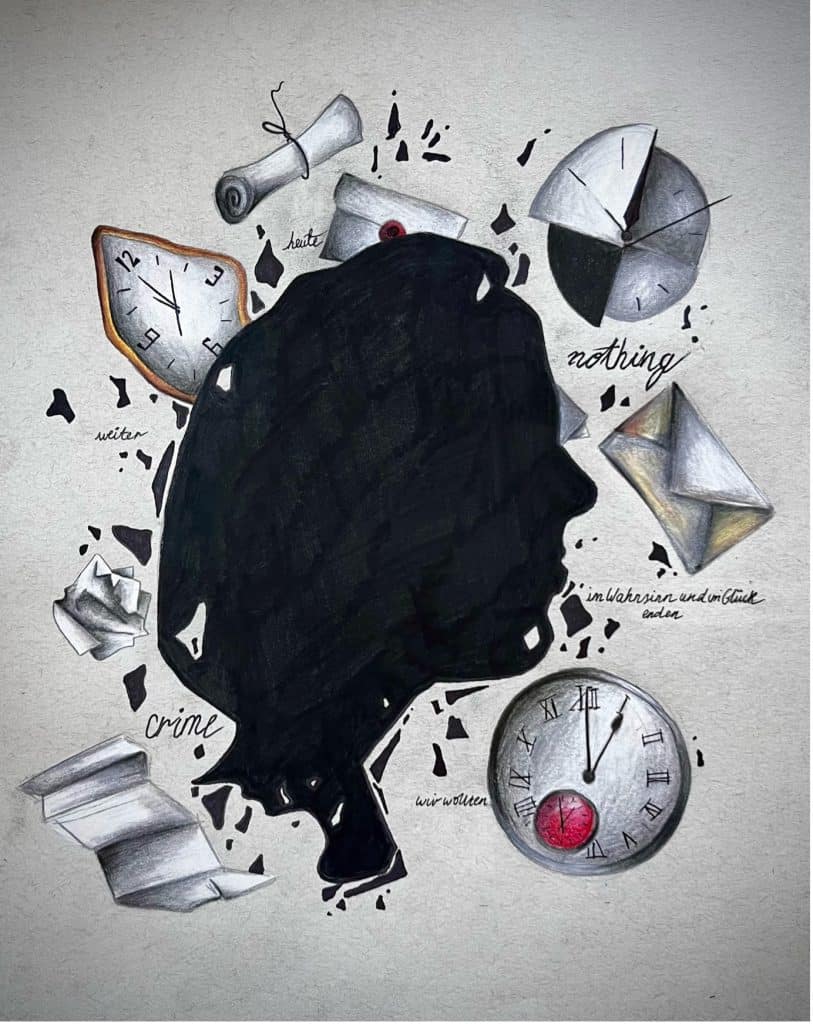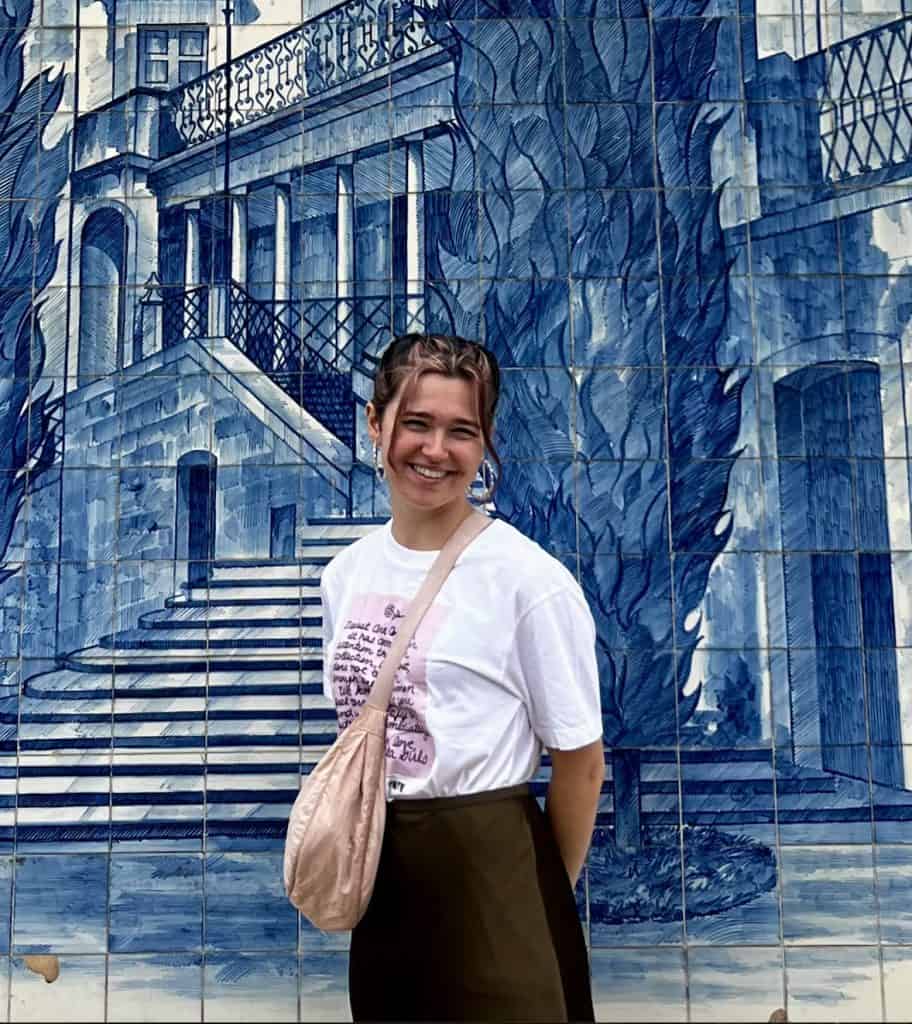
Congratulations to Modern Languages student Emily Dicker (German & Portuguese) who has been awarded a LIDL Year Abroad Project Prize for her artwork created for a new translation of Ingeborg Bachmann’s Todesarten texts.
Developed during her year abroad in Germany, the project brought together Emily’s interests in translation, illustration and literature, highlighting how visual art can offer a new way of interpreting complex literary works. We asked her to tell us more about the project.
Congratulations on winning a 2026 LIDL Year Abroad Project Prize. Can you tell us a bit more about the project and how you became involved in creating the artwork for the new translation of her work?
I reached out to the Oxford German team after seeing a call for artists on their Instagram page, whilst I was on the second half of my year abroad in Bamberg, Germany. I’d already worked on a Taylor Editions publication, The Woman You Become last year, as both co-translator and illustrator and, after such a wonderful experience with that first project, I was keen to work on a second! I’d actually never read any Bachmann before, but she had been on my TBR list for a long time, and so I thought that would also be a perfect introduction.
Ingeborg Bachmann’s work explores themes of memory, time and identity. How did you go about translating those abstract ideas into visual images?
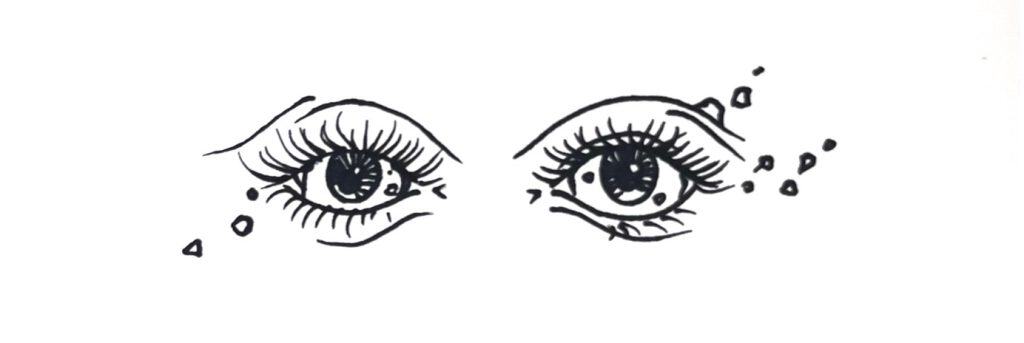
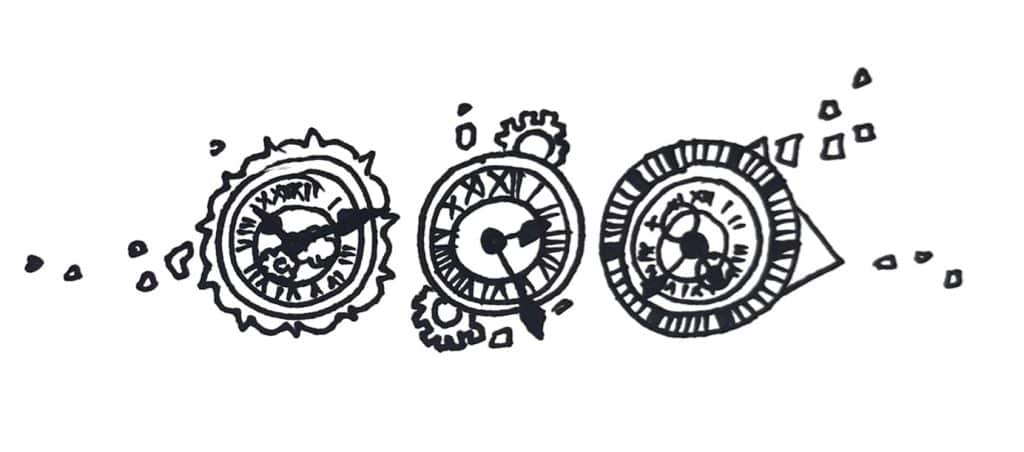
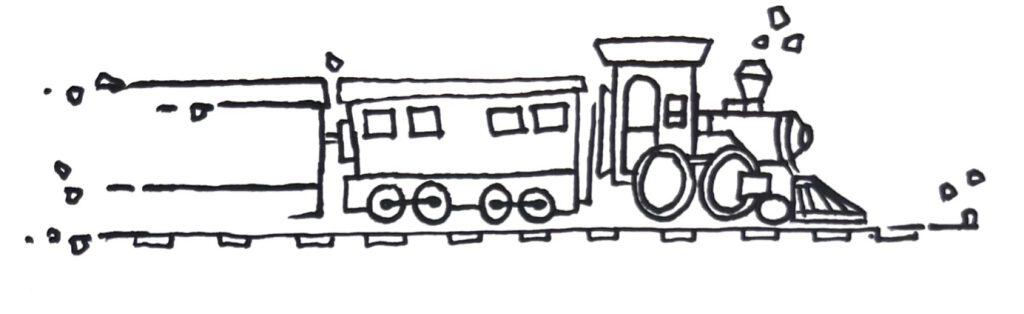
I’ve always been someone who thinks very visually and so, as soon as I read the extracts from the original texts and drafts of the translation to be published, I had this idea in my head of a fragmented side profile, splintering off into clocks, writing implements and the like. It was definitely a very instinctual reaction and I think that was thanks to both the beautiful original words of Bachmann and the amazing work done by the second year Germanists.
You worked closely with editor Isabel Parkinson and the student translation team. What was it like collaborating with them as both an artist and a linguist yourself, and did those conversations change your creative approach?
The conversations I had with both Isabel and the second-year translators were indispensable. Although I already had a fairly clear image in my mind, it was really important to me that they played a role in the cover design – they are the ones who have been working on the publication for months and know the text back to front! It was great to find out what had stood out to them upon translating the text and to make sure that my vision coincided with how their interpretation.
The texts you were illustrating are unfinished. Did that sense of incompleteness give you more creative freedom, or did it make the project more challenging?
I think it gave more freedom. When illustrating a text, it’s important to encapsulate the main themes, messages, or motifs of the texts without giving too much of the plot away. The fragmented images and lack of a completed, conclusive plot was ideal for illustrating in my opinion – maybe that’s why I had such a clear vision in my head as soon as I read the text.
You completed this work during your year abroad in Bamberg. How did living and studying in Germany shape your understanding of Bachmann’s work and influence your own work?
This was my first real introduction to Bachmann’s work; I used the time I had around my studies in Germany to read her short stories as I worked on the illustrations. As with all the books I’ve read whilst on my year abroad, I definitely noticed that I could connect more personally to the places and people described than I might have done before and Bachmann’s work was no exception, especially having visited Vienna in May. It also coincided with the release of the documentary film Ingeborg Bachmann – Jemand, der einmal ich war (2026) to commemorate her 100th birthday, which I watched in Bamberg soon after I began to work on the project.
Looking back, what has this project taught you about the relationship between art and literature?
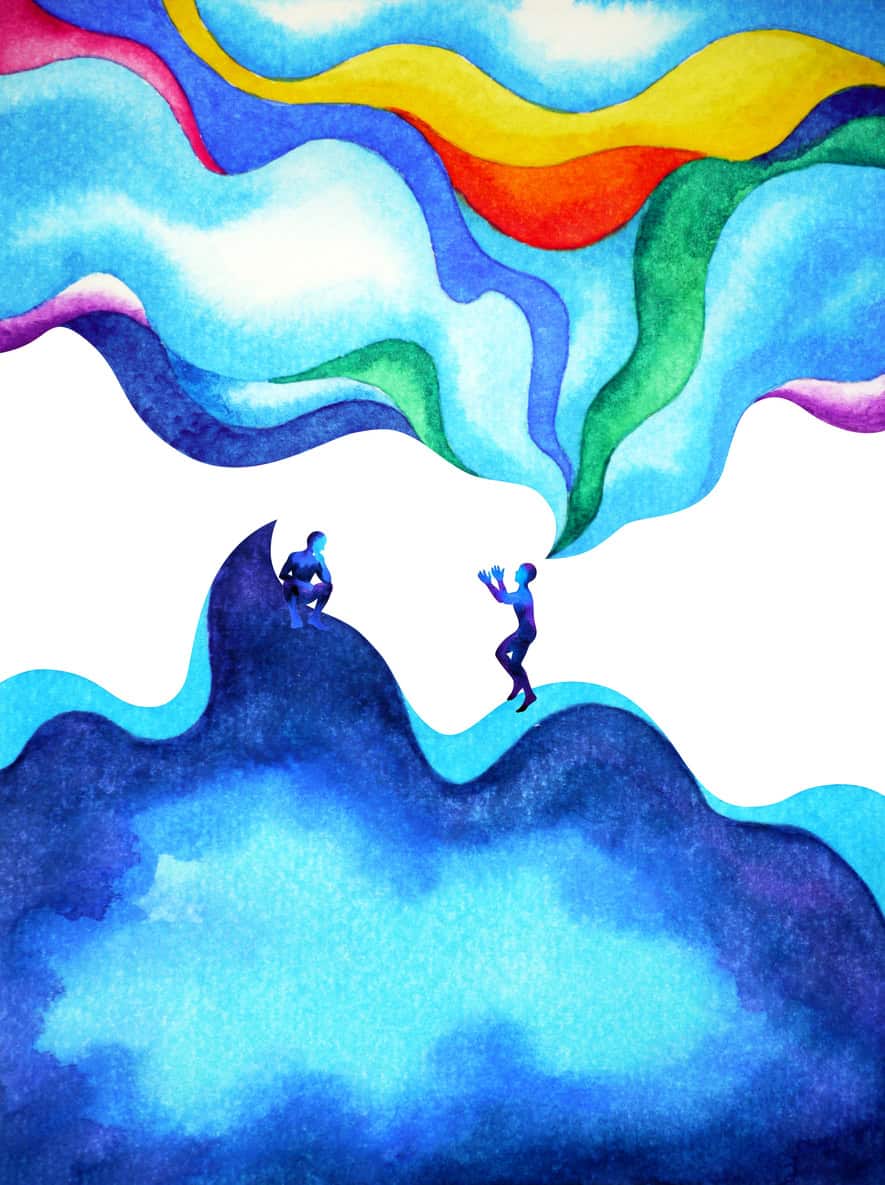
I am a strong advocate that illustration and art is a form of translation. Just as we translate between written languages, we can also translate between written languages and visual language, and both sorts of translation work in a similar way. Knowledge of both sources and ‘languages’ are essential and although some things may be lost in this process (we are not aiming for a replication of the source material), many things are also gained and might speak to a slightly different audience in a slightly different way, thereby reaching even more people. This project only strengthened this belief for me and I hope that this illustrated translation has a similar effect.
I am a strong advocate that art is a form of translation.
What advice would you give to other students considering a creative or research-based project during their year abroad?
Absolutely go for it! This is not the only creative project I’ve undertaken during my year abroad – whilst in Portugal I did two artist residences, designing creative translation and illustration workshops between Galician and Portuguese in local choirs and schools. I’ve also been editing my first academic article ready for publication and started to work on a sample translation of a novel, after becoming friends with a lovely Brazilian author in Coimbra. All projects were wonderful additions to my studies at the University of Bamberg and University of Coimbra and provided me with creative and linguistic outlets outside of the classroom, enabling me to meet new people and develop new skills and interests which differed from those I was using elsewhere on my year abroad. The projects originated very organically from interests I had developed in my first two years at Queen’s and so it felt only right that I take them abroad. For me, this year has been for experimenting as many new things as possible and so if you’ve got an idea of something you’d like to try out, this is definitely the time to do it!
How did your experience at Queen’s help to prepare you for this collaborative project and what are you looking forward to about being back in College next year?
If it hadn’t been for the Queen’s German tutors, with whom I worked on The Woman You Become last year, and the Queen’s Translation Exchange, with whom I originally developed my translation workshops, I would never have undertaken either creative project on this year abroad. Without the connections I had made and skills I had acquired in these original projects, I would likely never have thought of or been confident enough to work on the ones I have whilst being abroad. It will be lovely to be back within these communities soon and I look forward to all the conversations we will have in person when I return to Oxford in MT26!