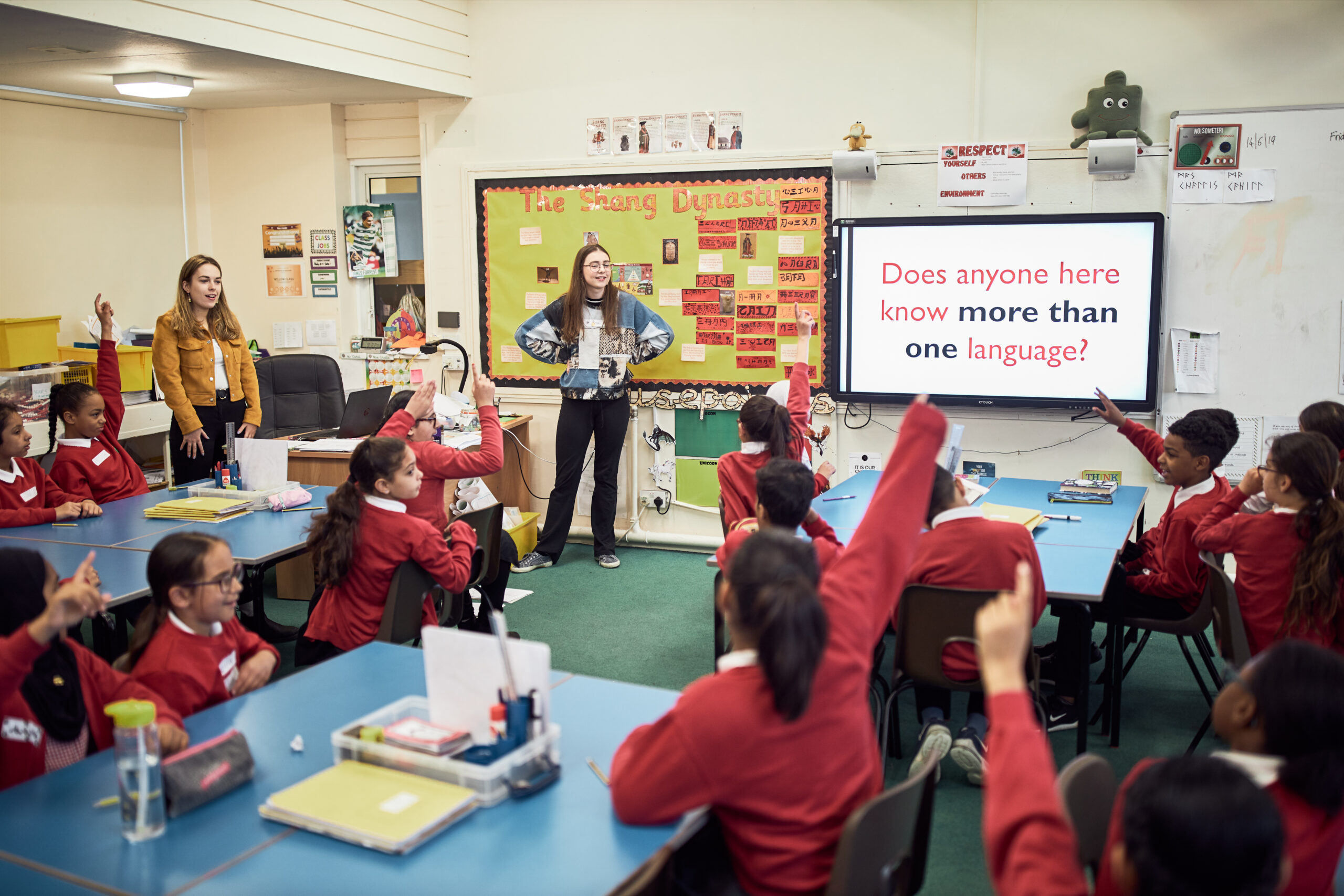
From 2018 to 2023, we ran a virtual international book club for language-learners aged 15-18. A guide to setting up a Book Club in your own school is available on this page.
The International Book Club for Schools is a model for young people to explore foreign-language books which have been translated into English with other like-minded, literature-loving students. No knowledge of the original language is required to take part.
As part of each session, participants had the opportunity to hear more about studying Languages at University from current students and tutors.
Hold an International Book Club in your school
Our Book Club for Schools Guide is a PDF information pack designed to help sixth-formers and/or teachers set up an international book club at their schools. It includes information about how to set up and run a club, and detailed guides to several books that you might choose to discuss.
Download our notes and guide questions for eight outstanding books in translation, and read our blog to see how it went in one British sixth form!
Students will need to read a copy of the set book in advance of each session. They may like to take some notes on what they’ve read – the key themes of the text, anything you liked or disliked about the narrative or characters – that they would like to share during the Book Club.
Why host an international book club?
- Hosting their own book club will allow students to take the initiative in choosing which books to read and what to ask about them.
- Encouraging them to deepen or refine their interest in translated fiction whilst also building connections and friendships across classes or years.
- It is the kind of project that will look great on a UCAS application, demonstrating a commitment to studying beyond course requirements. Experience of planning and coordinating events would also be a good CV-booster, regardless of whether students aim to embark on further study of languages or literature.
- It will help students better articulate their ideas and develop their knowledge beyond the curriculum: this may be particularly useful for those studying literature or languages at A-Level, but communication and analysis skills are always widely transferable.
We’re proud to expose students to the diversity of international literature. You can find a list of the texts we have recently read below.
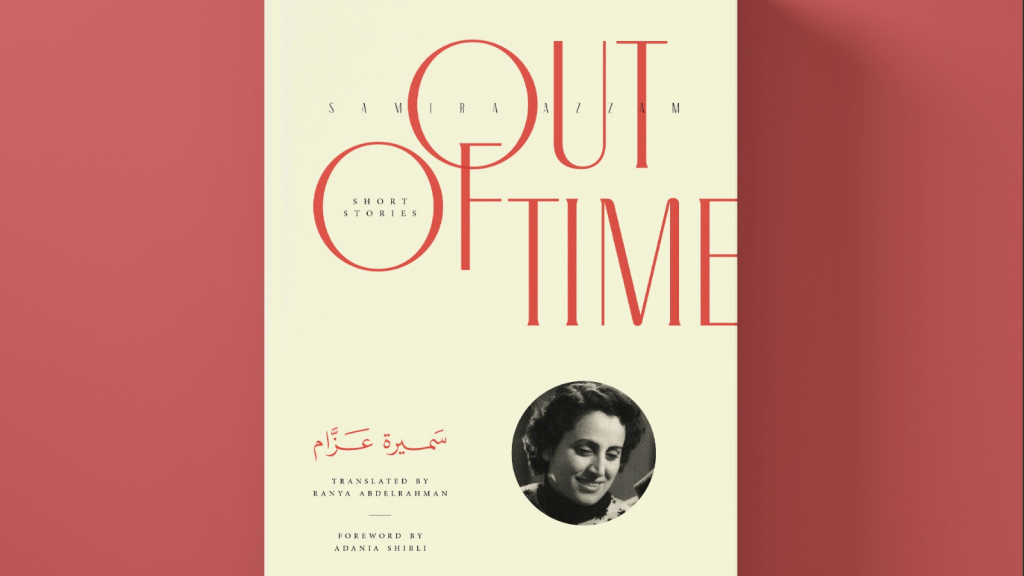
March 2023 – Out of Time, by Palestinian writer Samira Azzam, translated from Arabic by Ranya Abdelrahman.
November 2022 – Quesadillas by Mexican writer Juan Pablo Villalobos, translated from Spanish by Rosalind Harvey.
July 2022 – The Blacksmith’s Daughter by Selim Özdoğan, translated from German by Ayça Türkoğlu and Katy Derbyshire.
March 2022 –A Long Way from Douala by Max Lobe, translated by Ros Schwartz from French (and occasionally from Camfranglais).
December 2021 – The Town with Acacia Trees by Mihail Sebastian, translated from Romanian by Gabi Reigh.
July 2021- The Spectre of Alexander Wolf by Gaito Gazdanov, translated from Russian by Bryan Karetnyk.