Courses
- MBiochem in Molecular and Cellular Biochemistry (a four-year integrated Masters course)
Average intake at Queen’s: 6
The Course
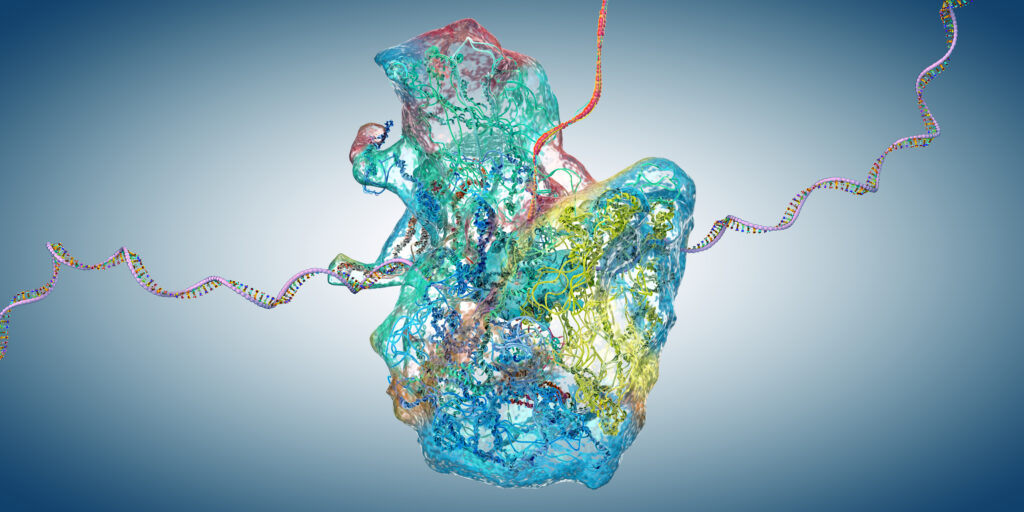
The University syllabus reflects the breadth and multi-disciplinary nature of Biochemistry, which is practised in one form or another in most of the science departments. The Department of Biochemistry is probably the largest in the country and provides most of the lectures and classes for the four-year course, although the opportunity is often taken to use the special expertise of colleagues in other departments when they are available. A particular feature of the Oxford course is the opportunity to specialize progressively, so that during the last year students spend most of their time on their own research project in one of the many research laboratories of the University.
Teaching
The College is responsible for tutorial teaching, and many of these tutorials will be with either the Tutor or the Lecturers in Biochemistry, whose specialties are complementary. Further specialist topics may be dealt with by tutors from other colleges, but there is no rigid plan of tutorial teaching; we try to balance the interests and abilities of individual students with the requirements of the course and its examinations.
Admissions
We appreciate that Biochemistry is not taught at school in a systematic way, and therefore we look for applicants with enthusiasm for the subject rather than deep understanding of much of the field. In addition to the chemistry content of the course, Biochemistry also has significant maths and biology content, and some physics. The first-year course provides the necessary background in biology, physics and mathematics for those who have not studied these subjects beyond GCSE, however Biology and Mathematics beyond GCSE level can be helpful. Full information on which subjects allow a competitive application to be made may be found on the Faculty’s website.