Queen’s students take on a global pollinator threat
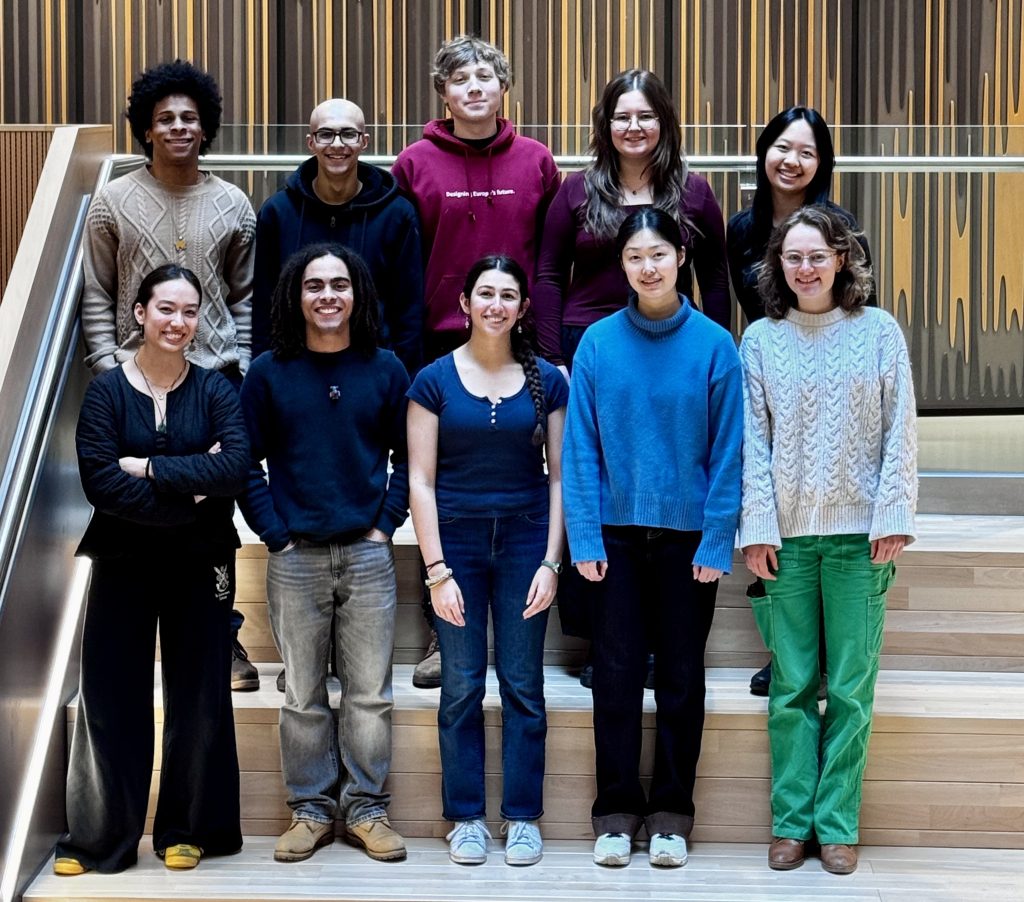
A student-led iGEM team at Queen’s is working on an ambitious synthetic biology project with real-world consequences: protecting honeybees from the devastating Varroa mite. Blending biology, biochemistry, chemistry, engineering and biomedical science, the team is developing an RNA-based treatment designed to last longer, target the problem more precisely, and offer a more sustainable alternative to existing controls. Their work shows how Queen’s students are turning interdisciplinary ideas into practical science with the potential to support pollinators, agriculture and environmental health. We asked the team to tell us more.
For those unfamiliar with iGEM, what is the competition and what makes it a distinctive opportunity for students?
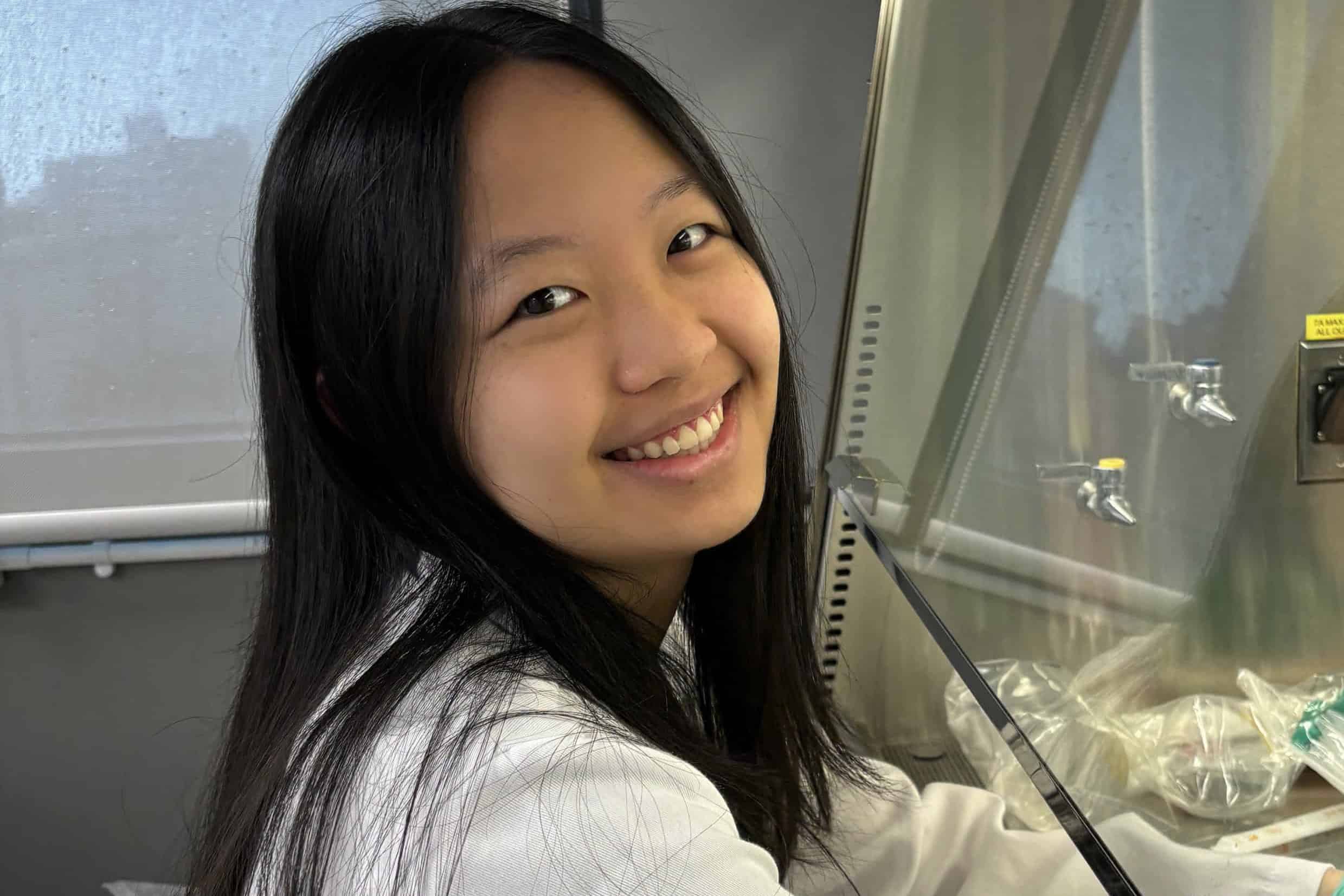
Lisa (1st year Biochemistry): iGEM is the world’s largest synthetic biology competition, bringing together over 400 student teams each year to tackle pressing global challenges through science and innovation.
Teams conduct laboratory research, fundraise for their projects, and engage with stakeholders and experts, developing their ideas with the design-build-test-learn cycle in engineering. The competition culminates in the annual iGEM Grand Jamboree, where teams around the world showcase their projects to leaders in academia, biotechnology, and industry, competing for medals and special prizes.
Since its founding in 2003, the competition has built an international community of over 100,000 ‘iGEMers’. Teams can access a registry consisting of genetic parts, data, and tools shared by past iGEM teams, whilst contributing their own resources, fostering a culture of collaboration.
What makes iGEM particularly distinctive is its emphasis on multidisciplinary collaboration and real-world impact. Alongside scientific research, teams incorporate diverse perspectives from different disciplines, and consider the ethical, social, and environmental implications of their work through Human Practices. This ensures that projects are not only scientifically innovative, but also safe, feasible, and responsible. As a result, hundreds of iGEM projects have led to real world startups, demonstrating the lasting impact that student research can create.
Hundreds of iGEM projects have led to real world startups, demonstrating the lasting impact that student research can create.
Your project focuses on honeybees and Varroa mites. Why does this problem matter globally, and what impact could a solution have?
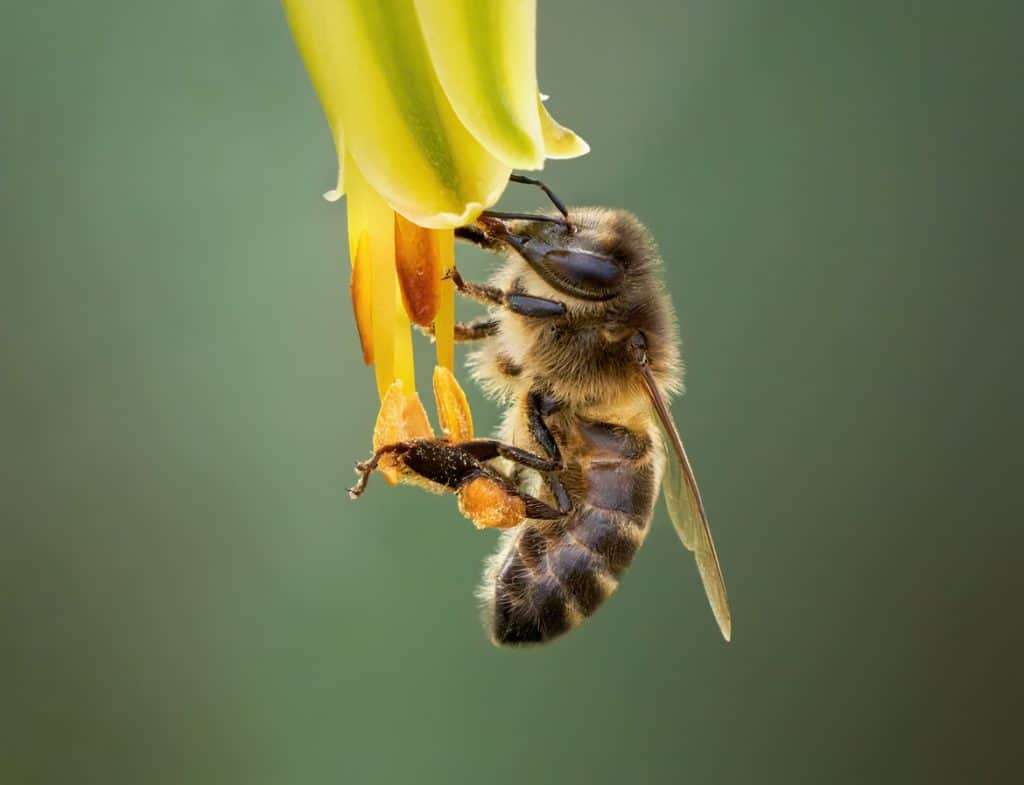
Lisa (1st year Biochemistry): Honeybees are among the world’s most important pollinators, it is estimated that one in every three bites of food we take depends on pollination. However, honeybee populations face a growing threat from the Varroa mite, a parasite that has devastated colonies worldwide. In the US alone, Varroa has been involved in 60% of honeybee colony losses. Their recent spread to Australia further spotlights the severity of the challenge: the parasite was first detected in 2022, and merely a year later, New South Wales declared that ‘Varroa eradication was no longer feasible’.
It is estimated that one in every three bites of food we take depends on pollination.
Varroa mites impair bee survival by feeding on their fat tissues, important for immune function and metabolic health. Furthermore, Varroa can transmit honeybee viruses, most notably deformed wing virus (DWV), significantly reducing their lifespan. Combined, these effects can exacerbate colony health, and ultimately, lead to colony collapse. Besides, a key Varroa control method is acaricides (pesticides used against mites and ticks). While these may be effective in the short run, acaricides need to be repeatedly applied, some acaricides negatively impact bee behaviour and health, and some mite populations have already developed resistance towards synthetic acaricides. Acaricide residues have also been detected in the environment and bee products (e.g. beeswax, honey), raising concerns on human and environmental health.
Altogether, this calls for a solution that is affordable, non-toxic and effective, providing long-term protection for honeybee colonies with minimal off-target effects. Such a solution would have profound impacts in supporting agricultural industries, strengthening food security, and safeguarding the wider environment.
Can you explain your project in simple terms and what makes your approach innovative?
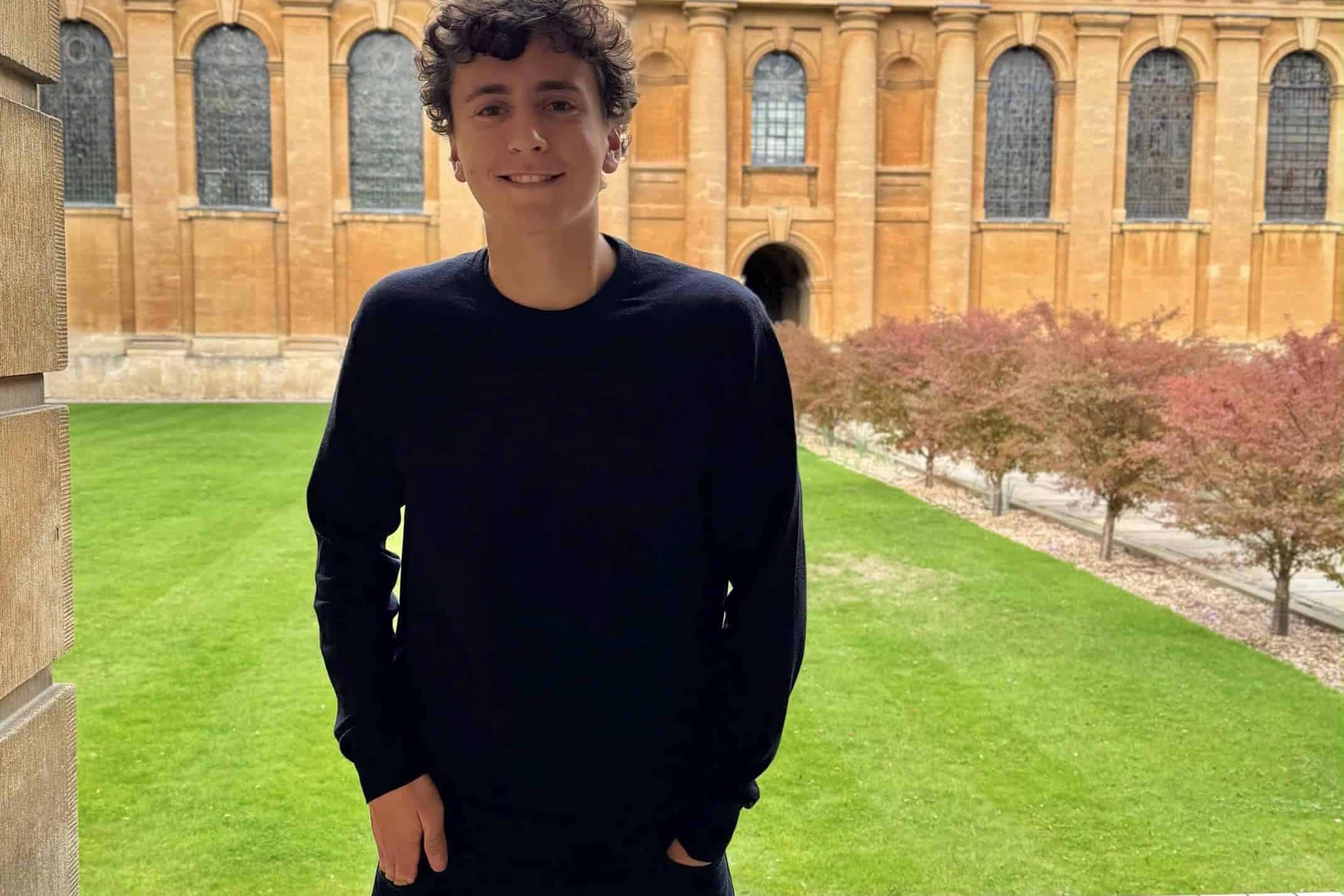
Freddie (1st year Biology): Our iGEM project is developing a treatment using RNA-based technology to protect bees more effectively and for longer than anything currently available. The most promising existing product works by delivering a molecule called dsRNA (double-stranded RNA), which disrupts the mite’s biology by specifically targeting a gene involved in reproduction. While this reduces mite numbers by 30–40%, the effect is short-lived. Within six weeks, mite populations bounce back to pre-treatment levels. There’s also a critical blind spot: mites do their most serious damage to bee larvae, yet most treatments are consumed by adult worker bees, meaning the drug rarely reaches where it’s needed most.
We’re tackling this in two ways. The first involves a gut bacterium called Snodgrassella alvi, which naturally lives inside bees. By genetically engineering this bacterium to continuously produce dsRNA, we can create a self-sustaining treatment that doesn’t need constant reapplication—a living medicine that travels with the bees themselves. To make this work well, we’re identifying strong genetic “switches” (promoters) that maximise how much dsRNA the bacterium produces, and we’re exploring ways to make the modification permanent within the bacterium’s DNA.
We can create a self-sustaining treatment that doesn’t need constant reapplication—a living medicine that travels with the bees themselves.
The second approach targets the larvae directly. Nurse bees—who care for developing larvae—feed primarily on a protein-rich food called bee bread. We plan to engineer yeast to produce dsRNA, then incorporate this yeast into “pollen patties”, a common hive supplement. Nurse bees eating these patties would absorb the dsRNA and pass it on to larvae during feeding. Research has already shown this kind of transfer can happen naturally, so we’re building on an existing biological pathway. Rather than just suppressing reproduction, our dsRNA treatment is designed as a combined cassette hitting three targets: mite reproduction, direct mite killing, and DWV.
We’re fortunate to have access to the Oxford Bee Laboratory, which can test our treatments in real hives and controlled environments—giving us the chance to see how our approach performs in living colonies.
What has it been like working as an interdisciplinary student team across biology, biochemistry, biomedical sciences, chemistry, and engineering?
Freddie (1st year Biology): The interdisciplinary nature of iGEM projects requires a broad range of scientific expertise, creating valuable opportunities for team members to learn from one another. This was especially evident during the project selection process, when the team came together to explore and debate ideas ranging from synthetic microbial communities for Mars to bacterial amino acid production factories. Working in such an interdisciplinary environment is highly motivating, as it provides a platform for transforming innovative biological concepts into solutions that can be implemented to address real-world challenges.
Working in such an interdisciplinary environment is highly motivating, as it provides a platform for transforming innovative biological concepts into solutions that can be implemented to address real-world challenges.
For many of the first-year students on the team, iGEM also represents their first opportunity to participate in a substantial research project. Doing so alongside students who have already contributed to scientific publications, as well as PhD researchers nearing completion of their theses, has provided unparalleled access to a highly motivated and engaging research community. The breadth of our project, combined with the need to consider the societal and ethical dimensions of honeybee therapeutics, continues to create valuable connections both within Oxford’s scientific community and with collaborators further afield.
How has your experience at Queen’s helped support or shape your involvement in a project like this?

Michael (2nd year Biomedical Sciences): Throughout my two years at Oxford, Queen’s has always been a multidisciplinary environment rich with insightful conversation. I often found myself engaged in scientific discussion, with the dining hall as a familiar backdrop. My friends and tutors at Queen’s always gave me freedom to fire off any idea I had, moulding my curiosity and refining my ideas. That said, my curiosity often drifts outside the bounds of science, and I wanted to do something that could have an immediate impact and reach more people.
I often found myself engaged in scientific discussion, with the dining hall as a familiar backdrop.
I first heard of iGEM from a friend in Medicine, and it was ultimately advice from an upper-year student at Queen’s that convinced me to take part. The first stage of iGEM was a project pitch, a perfect place to actualise the crazy ideas I’d thought up at dinner tables. The following stages involved experimentation, and lots of fundraising and outreach. Beyond the science, Queen’s has played a key role in supporting our project. From the little things, like the outreach opportunities I’ve been able to glean from my conversations with fellow Queen’s students; to the huge things, like the funding support, and the enormous contributions of my two first-year team members at Queen’s. Even now, the College is helping out by spreading our story. I hope that this article can spur enthusiasm for more student-run projects at Queen’s, and that more people learn about the amazing work our iGEM team has done.
What have you found most exciting or challenging about taking part in iGEM so far?
Lisa (1st year Biochemistry): For me, the level of independence that we have over our project is both the most exciting and most challenging aspect of iGEM. iGEM provides us with the opportunity to shape every stage of the process, from start to finish: identifying a problem, pitching our ideas, fundraising, engaging with stakeholders and experts, designing a solution, creating social media and website content…
There is so much that we could possibly do, and the freedom to explore is incredibly exciting. But, this also comes with responsibility. With limited time and resources, we had to make numerous decisions, such as which global issue to tackle, which experiments to run, and how to best develop our project. Reaching a consensus with such a large, multidisciplinary team can sometimes be challenging, especially when deciding on whether we should pivot or stop pursuing certain ideas, but those difficult discussions often led to stronger outcomes.
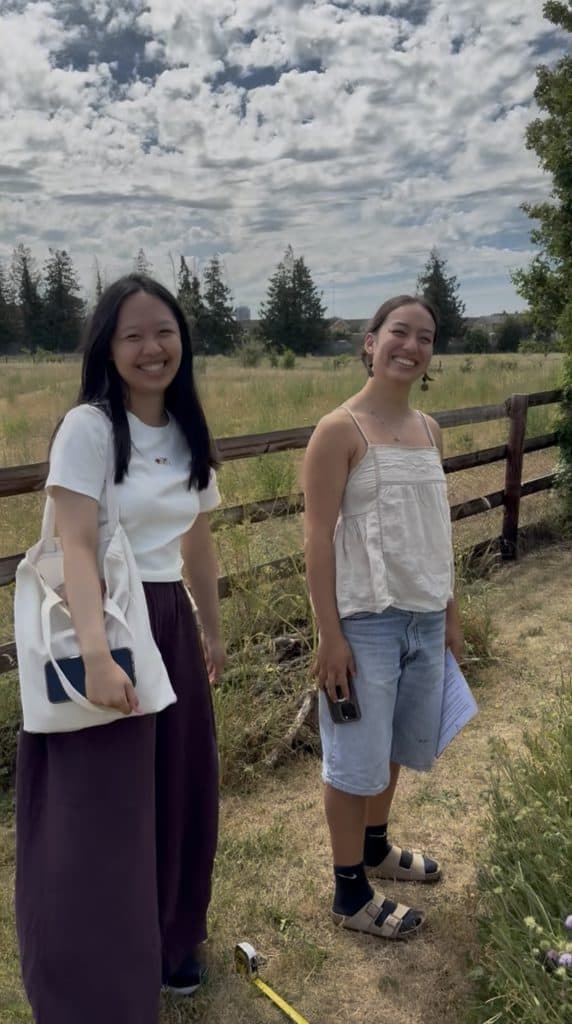
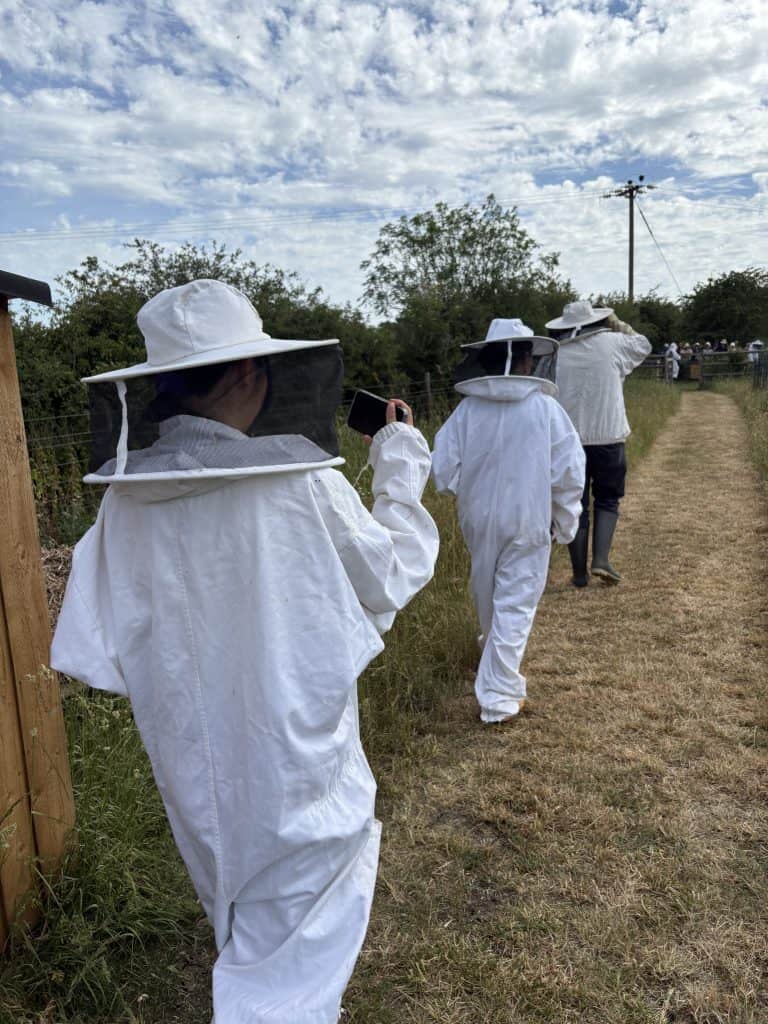
While exciting and challenging, iGEM has become a genuine passion project for our team. We dedicate time outside our studies to visit labs and hives, meet up to exchange our ideas, and hop on calls with sponsors, experts or stakeholders outside working hours. What makes this experience so rewarding is the special sense of ownership that we gain from leading different parts of the project, and we are really excited to see how our idea develops over the coming months.
Student-led research projects like iGEM depend on practical resources, from laboratory reagents and consumables to modelling tools and competition costs. What does it take behind the scenes to turn an idea like this into a working scientific project?
Michael (2nd year Biomedical Sciences): A lot of planning and coordination go into procuring resources for the project. The team first has to come up with a rough budget estimate, covering participation fee, accommodation, scientific tools, and outreach costs. This budget is then categorised and refined by individual teams. For example, the R&D team devises the needed protocols and tools for experimentation, then the budget is updated accordingly.
Once an estimated budget and required tools are specified, the amazing Fundraising team works its magic, setting fundraising goals and turning cold emails into cold cash. Fortunately, there are a wealth of sponsors eager to support iGEM projects, including former iGEM participants, funds for junior researchers, and prominent lab equipment companies who are the mainstays of many iGEM sponsor lists.
Whilst the process may seem straightforward, our funding was a result of meticulous planning from the R&D and Human Practices team, followed by the tireless efforts of the Fundraising team. On a more abstract level, the process is driven by a shared scientific enthusiasm between the team and the sponsors. All our planning and outreach are driven by this enthusiasm, which is then felt and reciprocated by our sponsors. The fundraising process is still in full force, and anyone interested in donating is more than welcome to contact us via the College!
What are your hopes for the project, both scientifically and in terms of the impact it could have beyond the competition?
Lisa (1st year Biochemistry): While the competition concludes in autumn, we hope that our project can be applied to protect honeybees in the real world. Moreover, we hope that our project’s impact can extend much further through the scientific knowledge we discover, the skills that we develop, and the interest in honeybee protection we spark across academia, industry, and the wider community.
Scientifically, we are excited to run experiments and explore approaches that have not yet been done before. We seek to generate genetic parts, data, and insights that can be built upon by other iGEM teams, academics, and companies working on related RNA-based technologies and honeybee protection.
Beyond the laboratory, we aim to produce a solution that is not only scientifically effective, but also acceptable by beekeepers and deployable in the real world. Conversations with beekeepers and industry councils have exposed us to the severe challenges that Varroa poses, with spillover effects beyond beekeeping. Our goal is therefore to safeguard honeybee colonies to support the apicultural and agricultural sectors, whilst promoting environmental sustainability.
Finally, we are eager to engage the wider community through two-way dialogue and outreach events, through raising awareness on honeybee health, RNA-based technologies, and the use of synthetic biology in an ethically responsible manner. By presenting science in an accessible manner, we look forward to promoting scientific literacy and inspiring the next generation of scientists and innovators.
The fundraising process is still in full force, and anyone interested in donating is more than welcome to contact us via the College: news@queens.ox.ac.uk.