Blog by Sophie Bailey, Creative Translation Ambassador at the Queen’s Translation Exchange
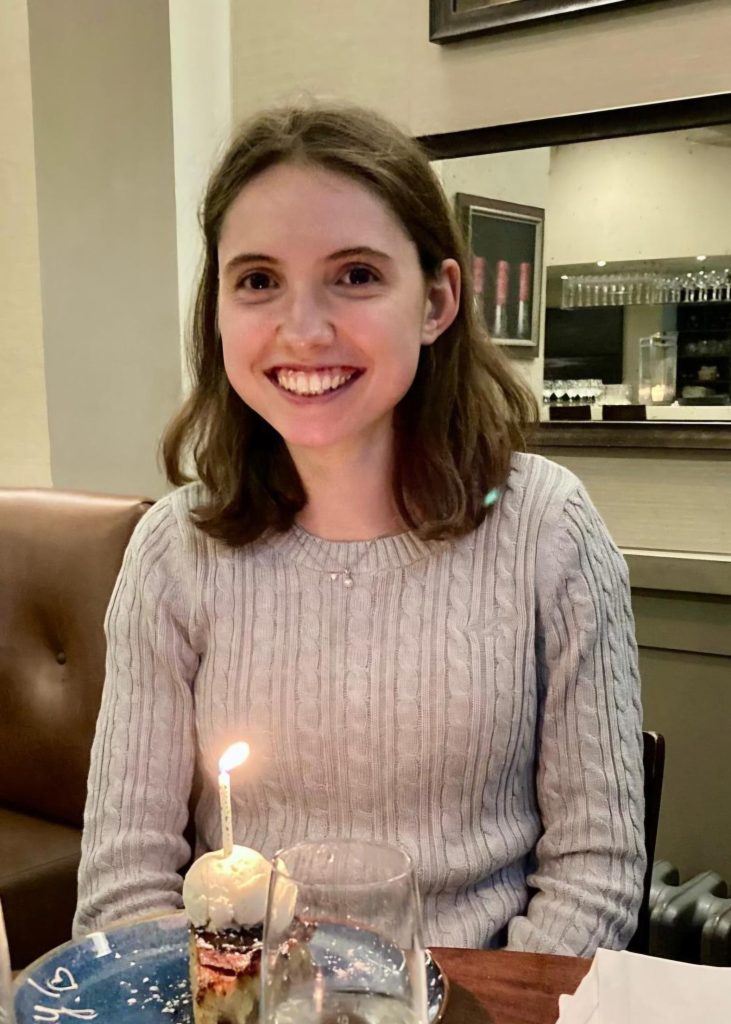
Hi, I’m Sophie, a Modern Languages and Linguistics First Year Student at Oxford University and a previous National (Italian) and Regional (German) Winner of the Anthea Bell Prize for Young Translators.
The Anthea Bell Prize is in memory of Anthea Bell, a renowned translator best known for her translations of the Asterix series from French into English. For those of you who are French speakers, think of the wonderfully clever translation of Obelix’s dog from Idefix (idée fixe) in French to Dogmatix (dogmatic) in English.
Anthea Bell once said: “translators are in the business of spinning an illusion: the illusion is that the reader is reading not a translation but the real thing”. Translation sits at the intersection between the science of language and the artistic creativity of language. It is only when these are combined successfully that a translated text becomes “the real thing”. If you have ever tried to use Google Translate, you will know what I mean. A translation that focuses only on the mechanics of language – the grammar, the vocabulary, the structure – can never bring across by itself the beauty and creativity of an original piece of writing.
This blog will take you through some tips to help you get the best out of the Anthea Bell Prize.
Translation sits at the intersection between the science of language and the artistic creativity of language.
My first tip is this: don’t rush to start writing. The hard work begins with research even before you put pen to paper. In 2024, the Italian text I translated was a fictional story inspired by the tragedy of the 1918 explosion of a munitions factory in Northern Italy. I spent time online looking at old photographs of factories and reading historical accounts of what it was like to work in these factories during the First World War. I also looked at photos and paintings of the area of Northern Italy where the story was based. The 2025 German text I translated was a diary entry about a young girl meeting her friends in a skate park. I knew nothing about skateboarding! So I spent time looking at YouTube videos of skateboarders and viewing maps and layouts of skate parks. I even went to a skate park in London to look at skateboarding tricks in real life. Understanding the context around the text you are translating and getting inside the head of the author will help set your translation apart.
My second tip is: do not try to make an exact copy of the original text. In my Italian text, the author used the word “specchi” when talking about the natural springs that the girl cycles past to get to the munitions factory. This word literally translates as “mirrors” but in the context of the text and having seen photos of the countryside in that part of Italy, I settled on “shimmering reflections” to convey the clarity of the natural spring. In the German text, the literal translation of “Rand standen” is “standing on the edge”. Here, I wanted to get across the idea of teenage girls watching the skateboarders do their tricks and so instead I used “loitering on the curb”. When thinking about the words or groups of words that might fit, try to place them within the text’s specific cultural and historical context. This principle applies for sentence structure and grammar as well as vocabulary. Don’t be afraid to experiment. Prioritising the fluency and rhythm of English over a word-for-word translation of the original text will help make your translation feel more natural and idiomatic.
A translation that focuses only on the mechanics of language – the grammar, the vocabulary, the structure – can never bring across by itself the beauty and creativity of an original piece of writing.
Thirdly: a good translation takes time. It is a marathon, not a sprint. The best translations will be the result of work over days and even weeks. If you can, you will want to put your translation down for a few days and come back to it with a fresh eye. So start early if possible. There are several steps in the process and you’ll want to think about what feels right as you grapple with different ideas and possibilities. Importantly you will want to read your translation again and again and again. Even better, ask someone else to read it for you. And even better still, read it aloud.
And finally, aim for an “invisible translation”. If you have followed the steps above, you’ll be well on the way to creating an “invisible translation”. This phrase was championed by Anthea Bell. She thought that a translation must never read like a translation. Instead the author’s voice must shine through making the translation “invisible” or as Anthea Bell once explained it: “like a perfectly transparent pane of glass”. You will know if you have an invisible translation because your writing will feel natural and flow. Nothing will jar or feel wrong as you read it. Your focus will be on the story and not the words.
When you are finished, take a moment… You have used your linguistic skills and your creativity to take someone’s original writing and transform it into a new and beautiful text that has opened that writing to a whole new audience. So well done!
You can find more information on the Anthea Bell Prize for Young Translators here, including the link to register for this year’s competition. The Prize is open for entries from secondary school students aged 11-18 until Friday 27 March 2026.