This Trinity Term the College is delighted to welcome photographer Lydia Goldblatt to Queen’s. Lydia will be making new work within the College and engaging with the community by sharing her practice.
Lydia Goldblatt is a British photographic artist based in London. Her work is concerned with female identities and is interested in the ways personal experience informs collective understanding. She creatively fuses the approaches of both documentary and constructed photography. Of her work, she writes:
I am looking to see within experiences and moments that are unfolding, to reach something that speaks about being human, about our emotions, connections, and interior life as much, if not more, than external appearance.
Lydia Goldblatt attended London College of Communications, studying a Master’s Degree in Photography. Her work has been exhibited at the National Portrait Gallery, Somerset House London, the National Museum Gdansk, the GoEun Museum of Photography, and the Felix Nussbaum Museum in Germany. Her first book, Still Here, is held in the collection of the Victoria & Albert Museum National Art Library, and her work is held in numerous public and private collections. Lydia received an award for her portrait ‘Eden’ in the Taylor Wessing Portrait Prize, and the GRAIN Projects Artist Commission. She was awarded the Grand Prix at Tokyo International Photography Festival, and the Royal Photographic Society IPE Award in 2025. Her second book, Fugue, was published by GOST Books in 2024.
Fugue is about love and grief, mothering and losing a mother, intimacy, and distance. The work engages with ideas of change in multiple ways. It reflects the personal changes and shifts in identity that accompany both motherhood and loss, whilst challenging prevailing social archetypes and taboos of motherhood. Made over four years, the work disrupts and contributes to understandings of domestic space through a representation that is neither apologetic nor idealised. She says:
I wanted to be honest about what I was struggling with, about the feelings of claustrophobia and rage, as much as intimacy and love. These are feelings so often hidden by mothers, so often silenced as unacceptable.
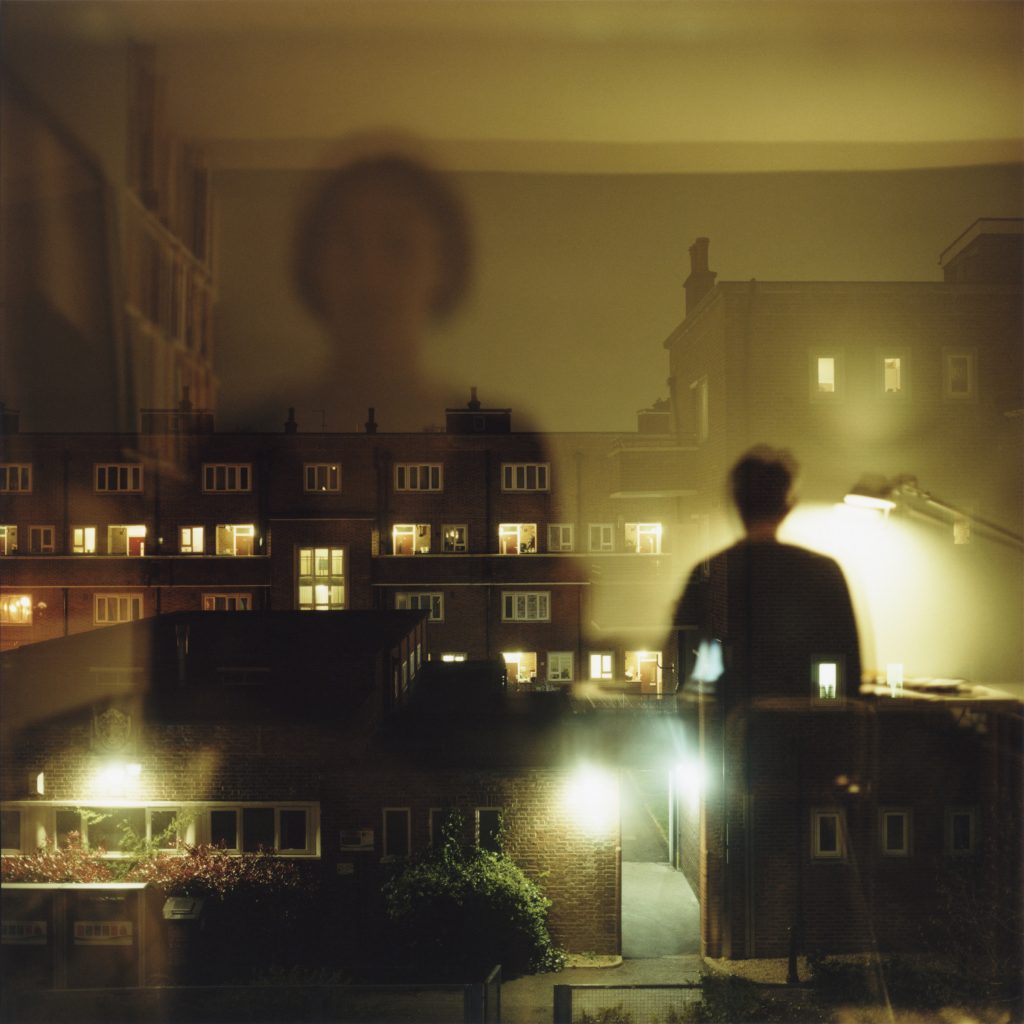
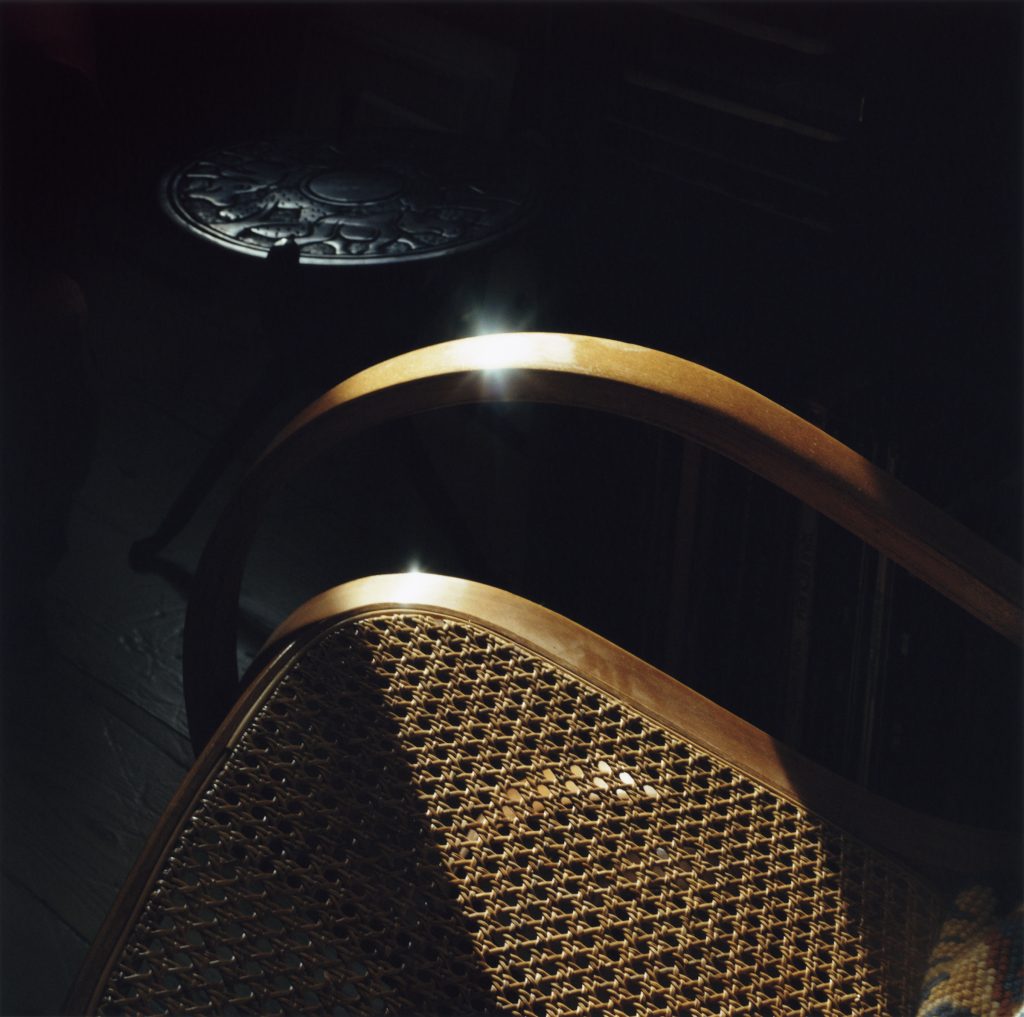
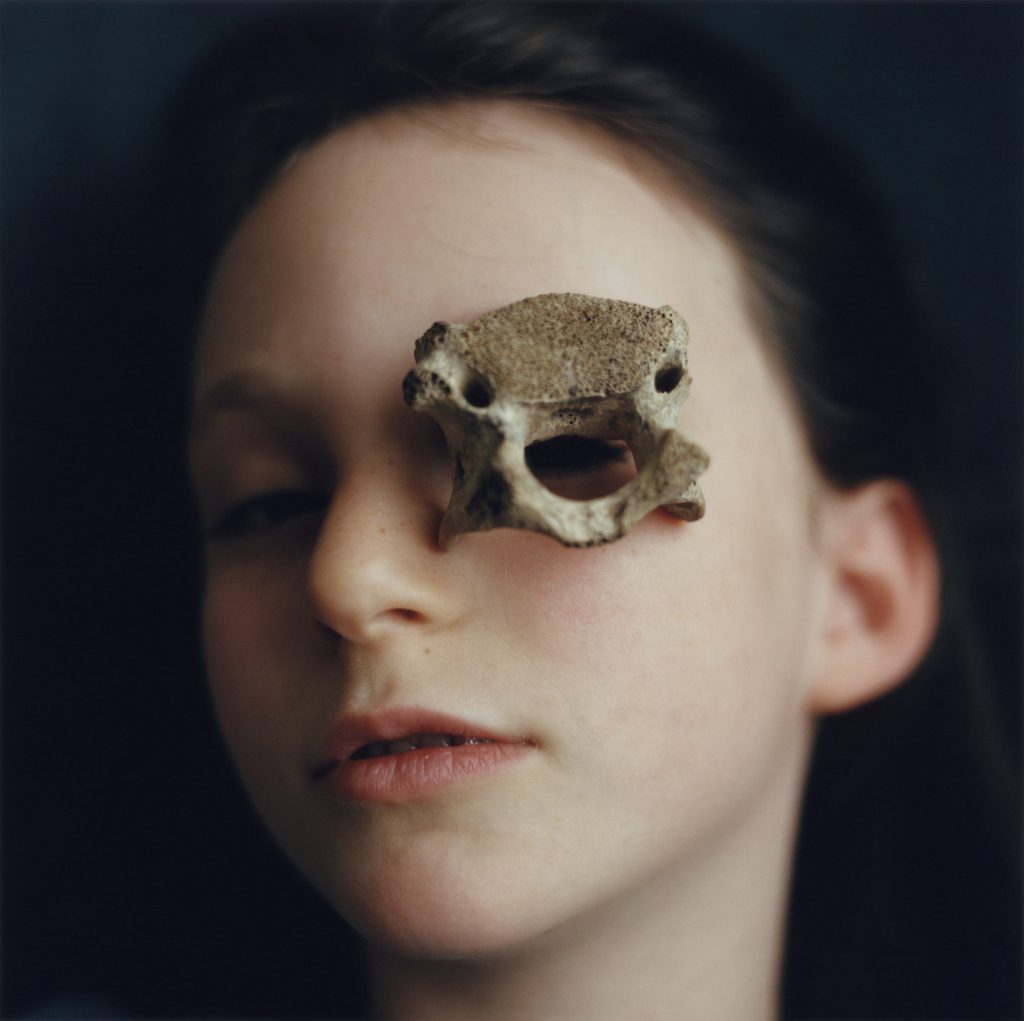
The photographs depict a rhythm of domestic life. They show the stillness of objects contrasted against children moving in and out of frame and everchanging light. Goldblatt draws upon small details—the texture of skin and assorted sheets, mops, houseplants and mirrors. Collectively, the images tap into the dissonance between domestic tranquillity and a sense of invisible unease.
Images from Fugue
Header image by Martin Barnes